
African Roots: Shadows of German Colonialism
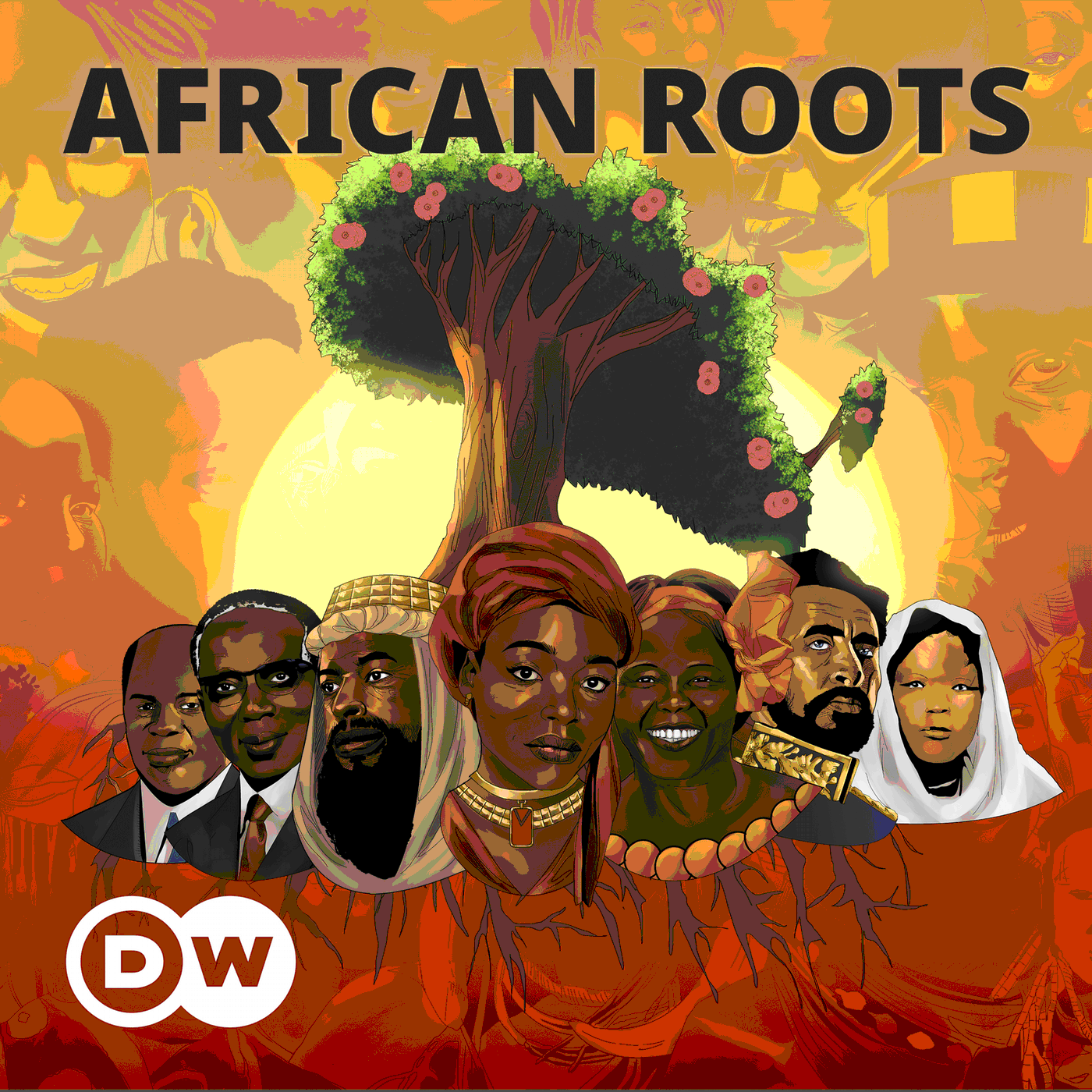
DW’s Shadows of German Colonialism podcast explores how Germany’s imperial ambitions in Africa met fierce resistance, and descended into exploitation and violence. The series follows on from the African Roots podcast, which portrays the men and women who shaped Africa's past, present and future. We meets big names, and tell the story of others who have stayed out of the spotlight. But what binds them together, is their African Roots.
Folgen

Culture in Chief: Oba Ewuare and Leopold Sedar Senghor
Cai explores how Senegal's first president, poet Leopold Senghor, believed a mix of African and French culture could carry Senegal into independence. Meanwhile, Laila tells Cai how Nigerian Oba Ewuare's taste in cultural investment still has African nations and European museums at loggerheads.
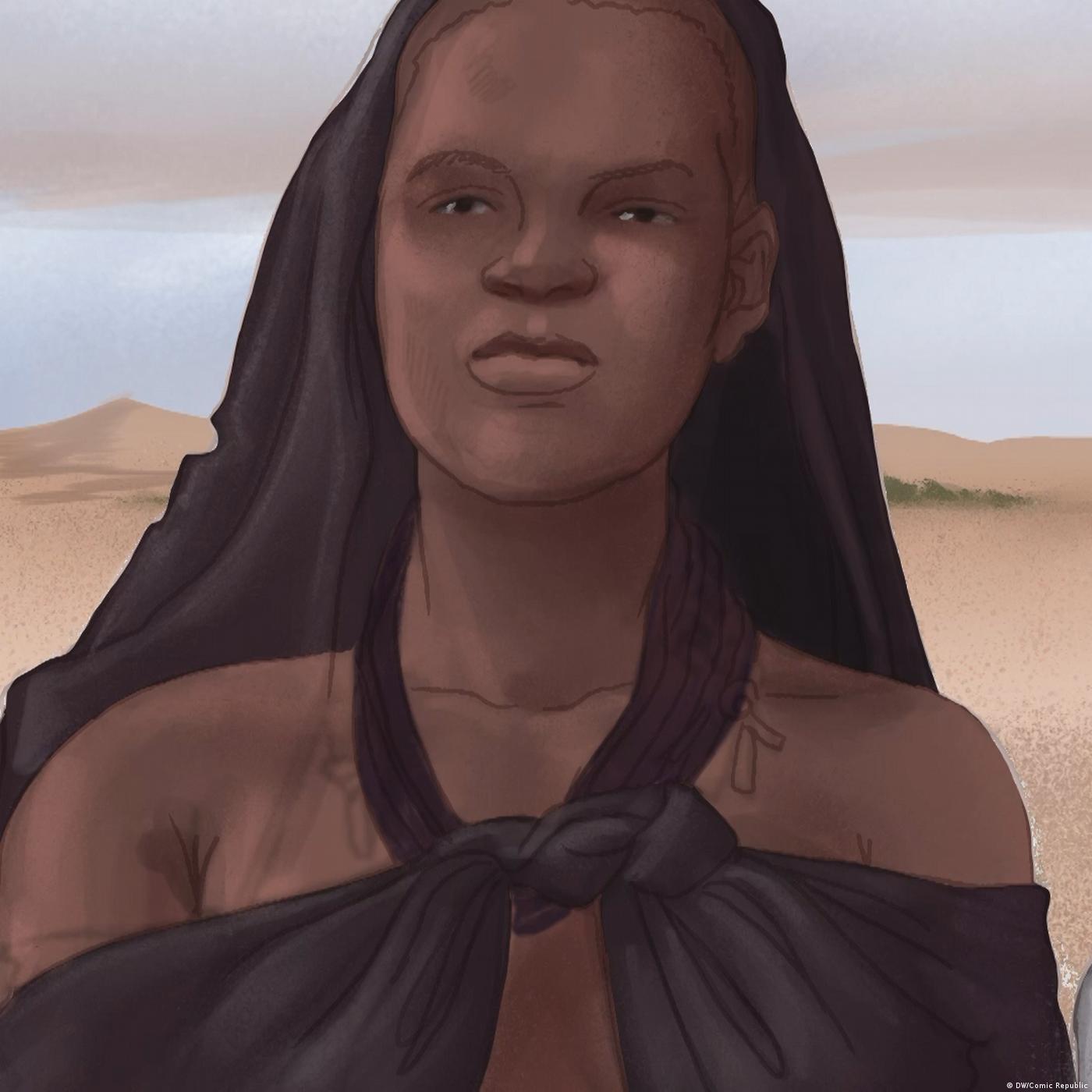
Namibian women keeping traditions alive and history near
The atrocities of German colonialism remained largely, and purposefully, obscure as Namibians endured successive German and British colonial administration. Under the South African apartheid rule that only ended in 1990, there was little space to confront the crimes. But women kept, and continue to keep, their people's history and culture alive.

From Douala to Ngonnso: How women fought resisted German colonialism in Cameroon
In 1893, Dahomey men and women revolted against abuse by German colonial officers in Cameroon in a famous uprising that Germany was unprepared for. We look at how female resistance against colonialism has taken different forms, from the Dahomey Revolt to the battle to return the Ngonnso sculpture to Cameroon.
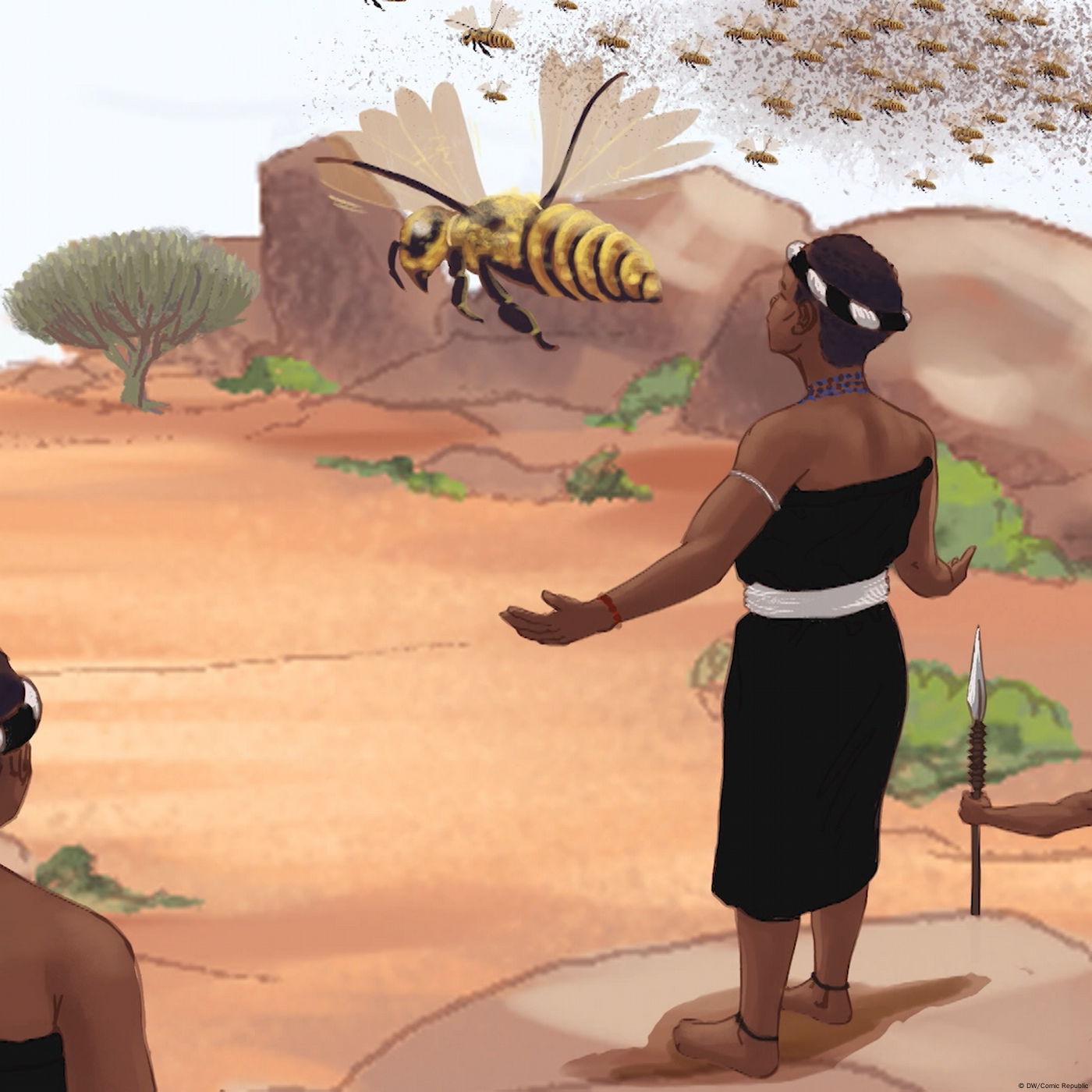
Who was Li'ti Kidanka, the Queen of the Bees?
As German colonialists swept into East Africa, they came up against a force none had reckoned with: Li'ti Kidanka. Shrouded in folklore, we tell the story of a Tanzanian heroine who fought German colonialism with a very unusual weapon.
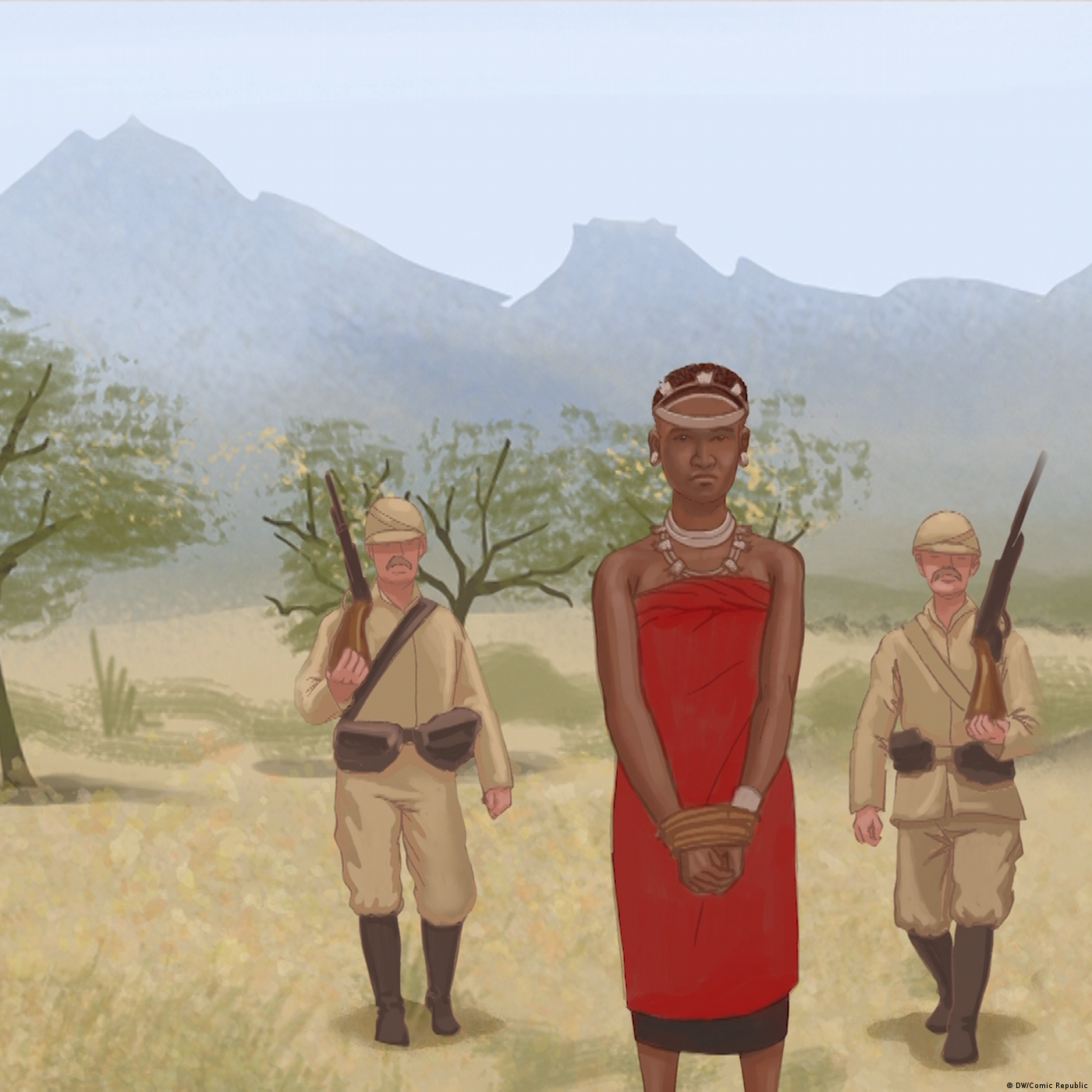
How Nduna Mkomanile fought German colonialism
Nduna Mkomanile tried to unite East African communities against German colonialism during the Maji Maji war in the early 20th century. She's now regarded as one of Tanzania's most notable female freedom fighters, but for decades her importance was overlooked. We find out why.
Reclaiming Heritage: Dinknesh and Sarah Baartman
One of the world's oldest humanoid fossils, colloquially known as Dinknesh, or "Lucy," has intrigued paleontologists for decades. But her name is also a point of pride for Ethiopians. Meanwhile Laila narrates how fascination and racist attitudes around Sarah Baartman resulted in a harrowing, cautionary tale of human exploitation.
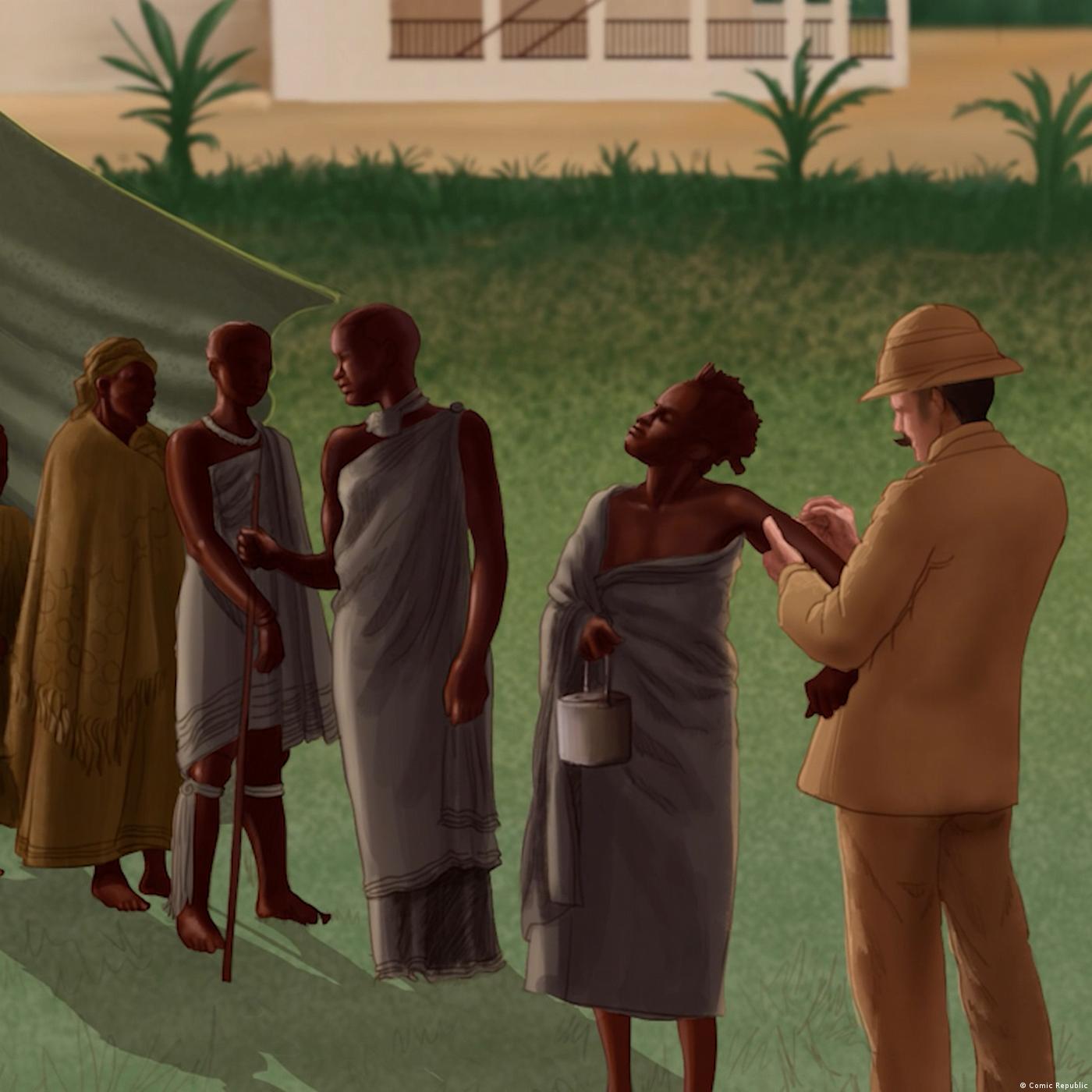
Injected with fear: the legacy of colonial era vaccination programs
Tropical medicine boomed as European powers claimed territories in Africa. Germany sent the famed Robert Koch and many others to the colonies to find cures to tropical illnesses - but also to test new medicines. This shadowy practice led to Africans being mistreated, and many died in the process, leaving a legacy of physical and psychological trauma that has never been properly cured.
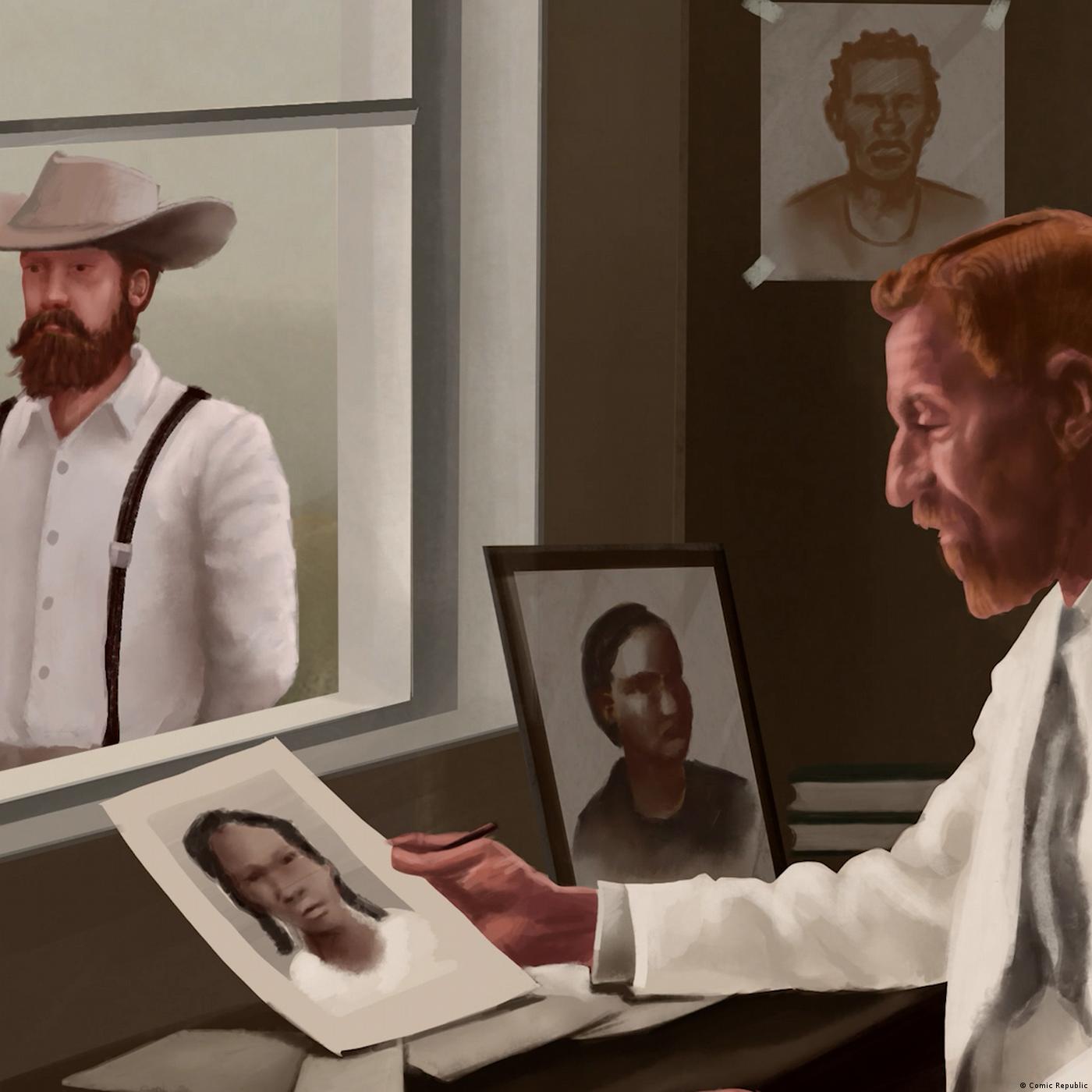
Unsettling continuities – from colonial racism to Nazism
Respected German anthropologists made a career from dividing people by race, a new branch of science that conveniently put Europeans at the top. While eugenics and scientific racism was widely practiced in Western nations in the early 1900s, the ideas developed by Eugen Fischer and others served as the intellectual bedrock for race-based crimes committed by Nazi Germany.
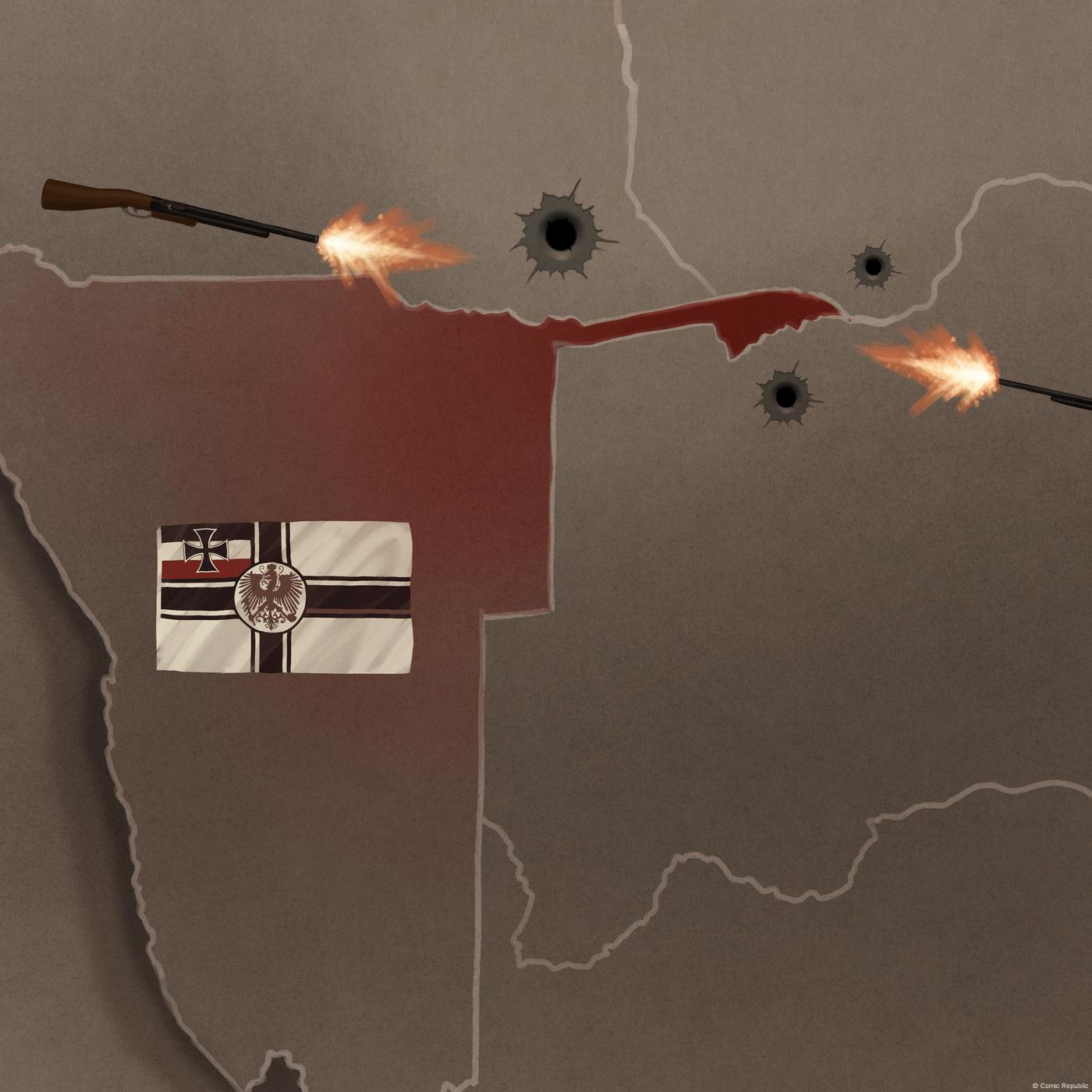
Why African nations still fight over colonial era borders
Why does Namibia have a bizarre panhandle? Why do some Ghanaians talk of being from "Western Togoland"? Much of this has to do with African borders drawn up in Europe during late 19th century. Borders that to this day are still very much contested, and have had deadly consequences. We explore how treaties designed to prevent war in Europe have caused conflict in Africa.
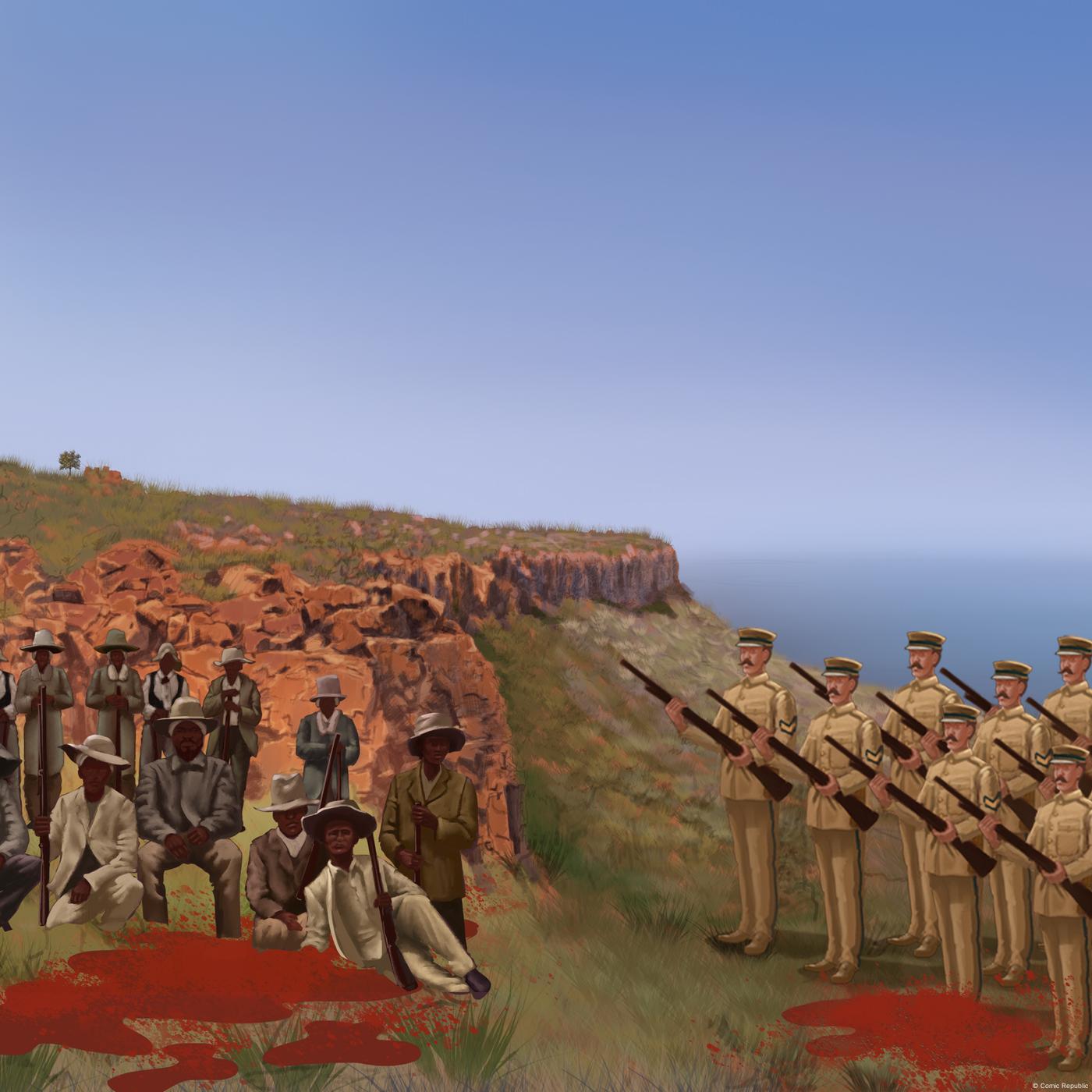
How German colonization of Namibia resulted in genocide
After the decisive Battle of Waterberg between German and Herero fighters, colonial officers in the colony of South West Africa, today's Namibia, directed a violent, uncompromising persecution of Herero and Nama people. Their policies would result in the 20th century's first genocide.
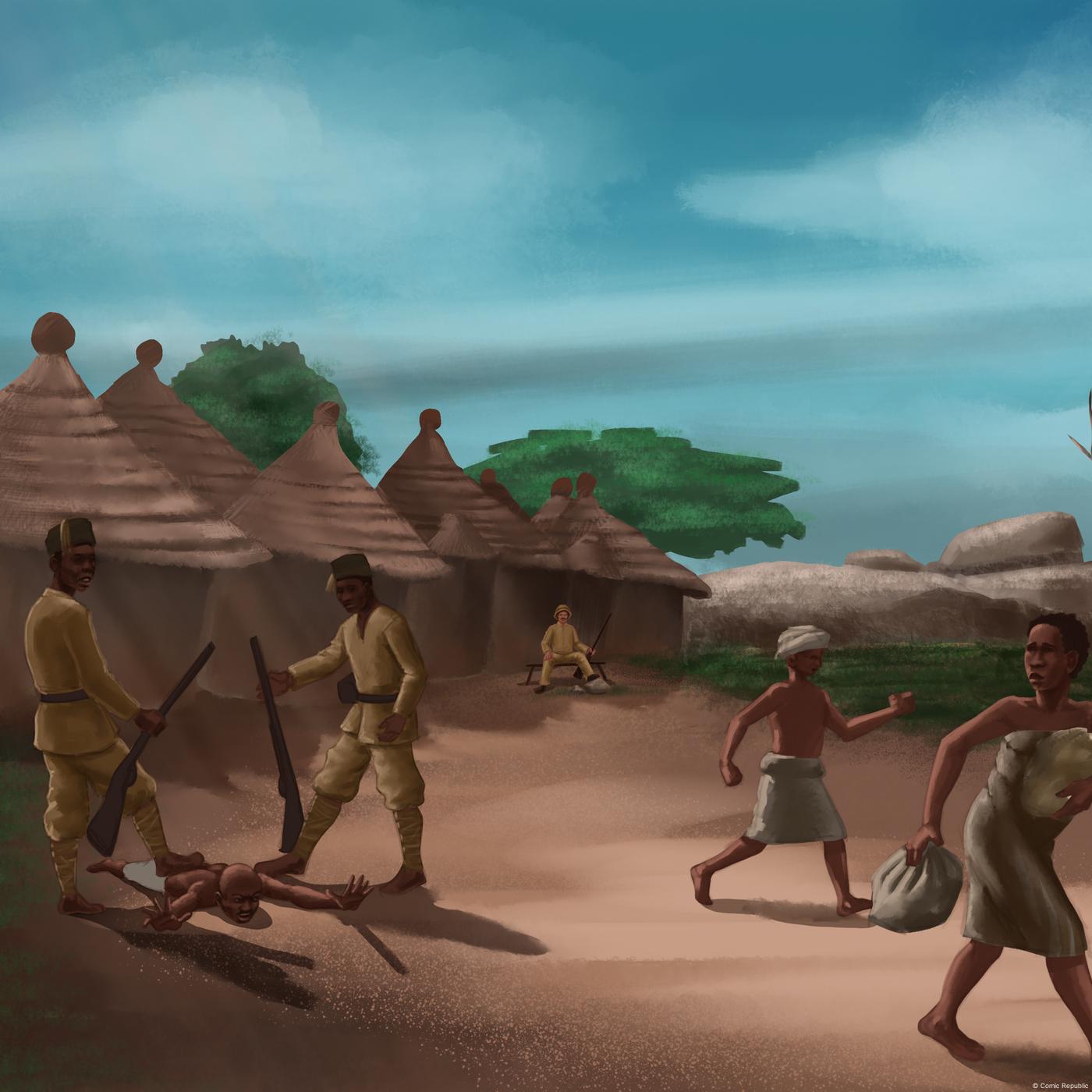
How German colonists changed power dynamics in Togo forever
Germany's control over Togoland drastically altered traditional power structures, favoring compliant chiefs and running roughshod over cultural norms. We explore how punitive expeditions and colonial subjugation has shaped Togo to this day.
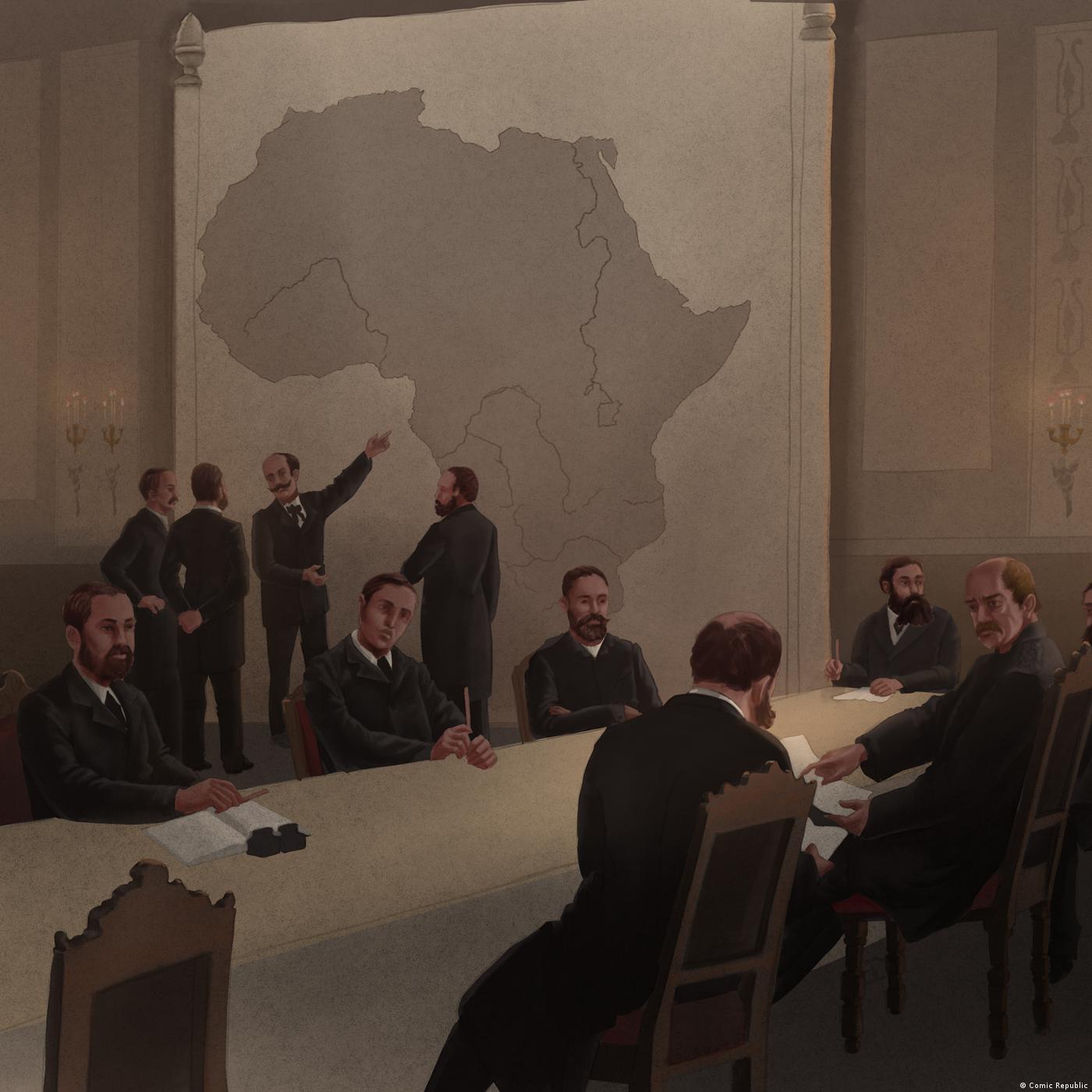
Why did Germany target colonies in East Africa
In East Africa and the Great Lakes region, German colonial conquest spurred courageous resistance from many local East African groups against well-armed and violent colonial forces.
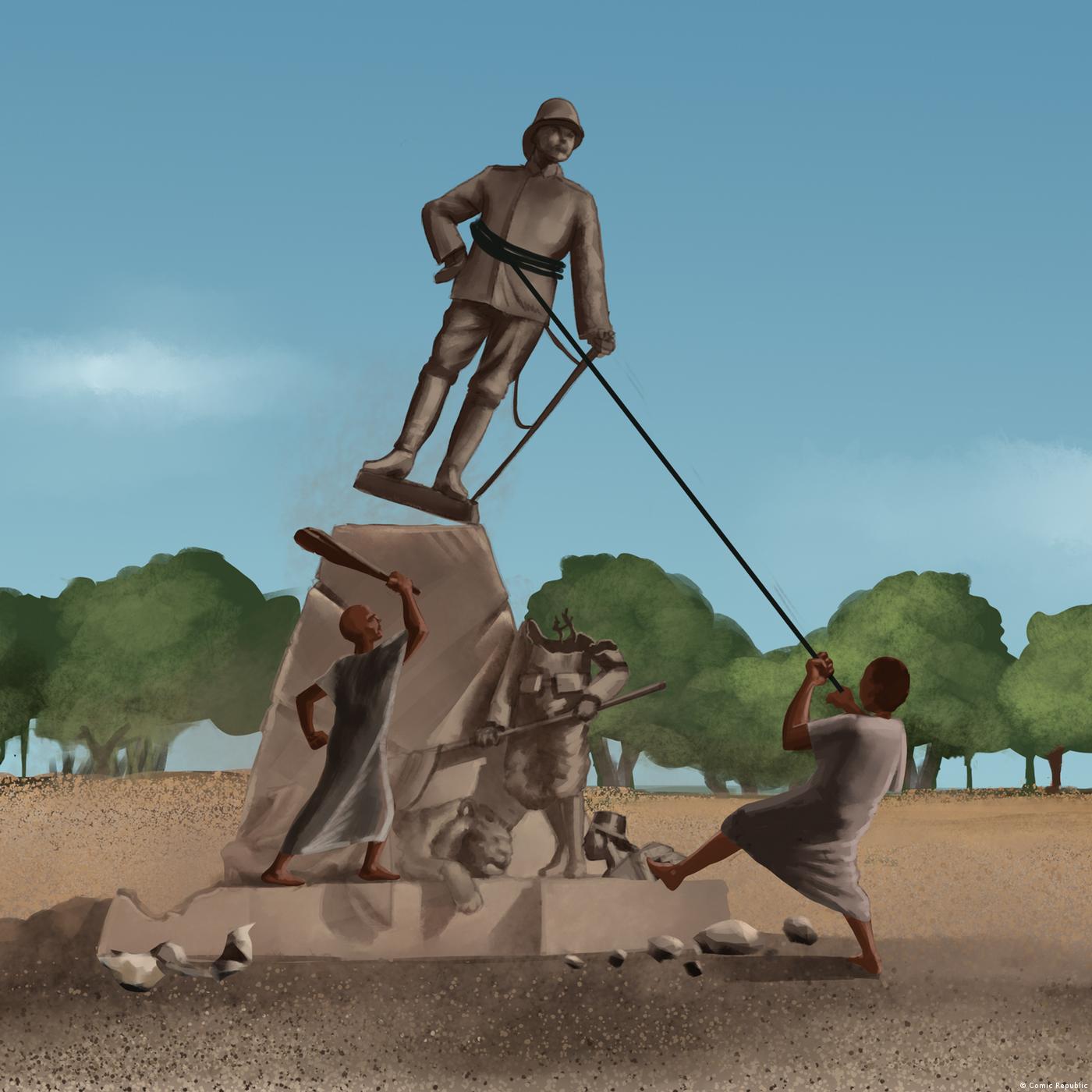
The colonial legacy of Africa's place names
In the context of colonial-era injustice, the renaming of landmarks almost seems like a footnote. But in this podcast we discover how renaming mountains, towns, and even people was another form of oppression. We also meet some characters who have outlived the colonialists' names, and why renaming landmarks is a form of reclaiming heritage.
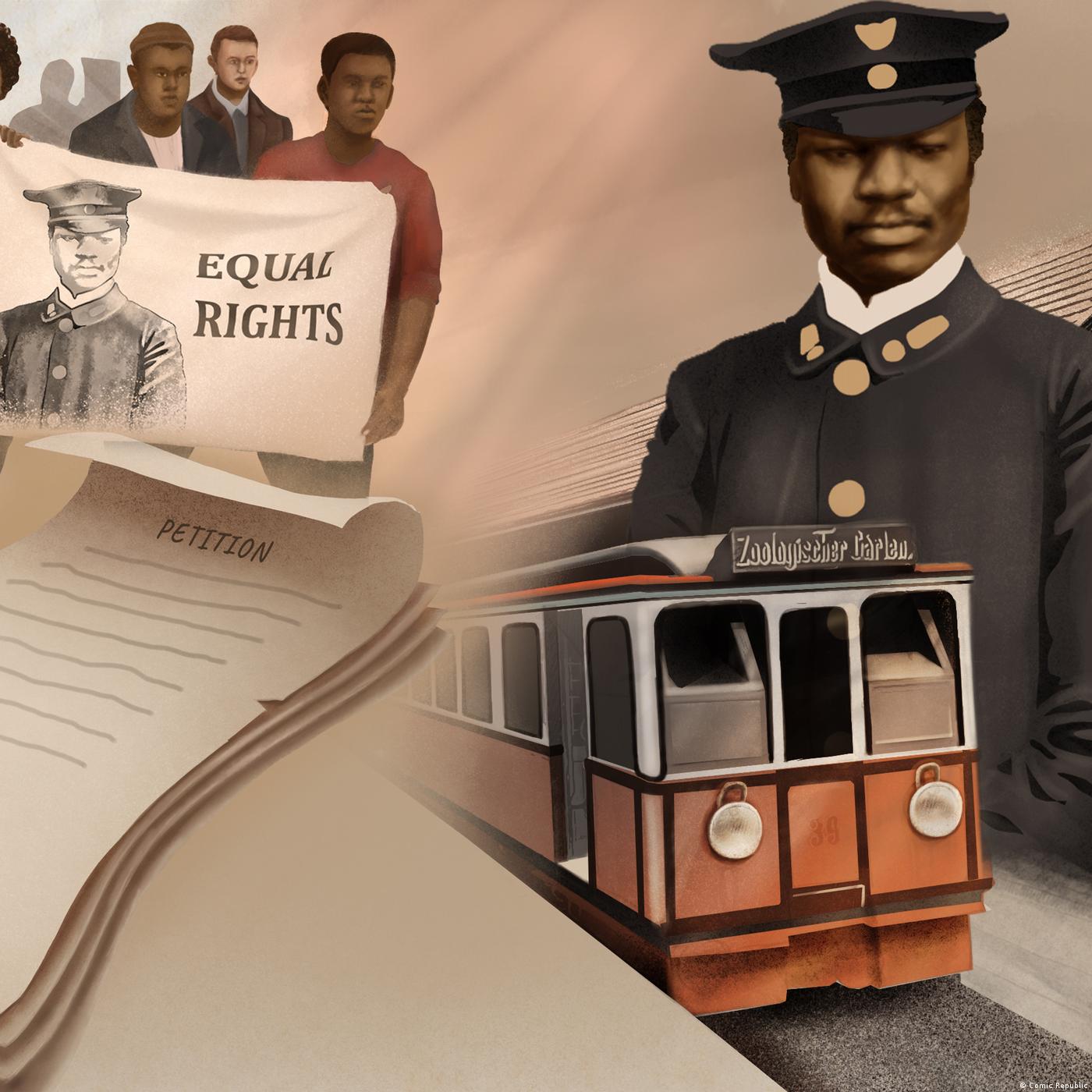
Quane Martin Dibobe: From exhibit to anti-colonial activist
Summer 1896: A Cameroonian man appeared in Treptower Park, Berlin as part of a human exhibition to increase enthusiasm for German colonialism. Little did anyone know this man — Martin Dibobe — would later become a pioneering human rights activist.
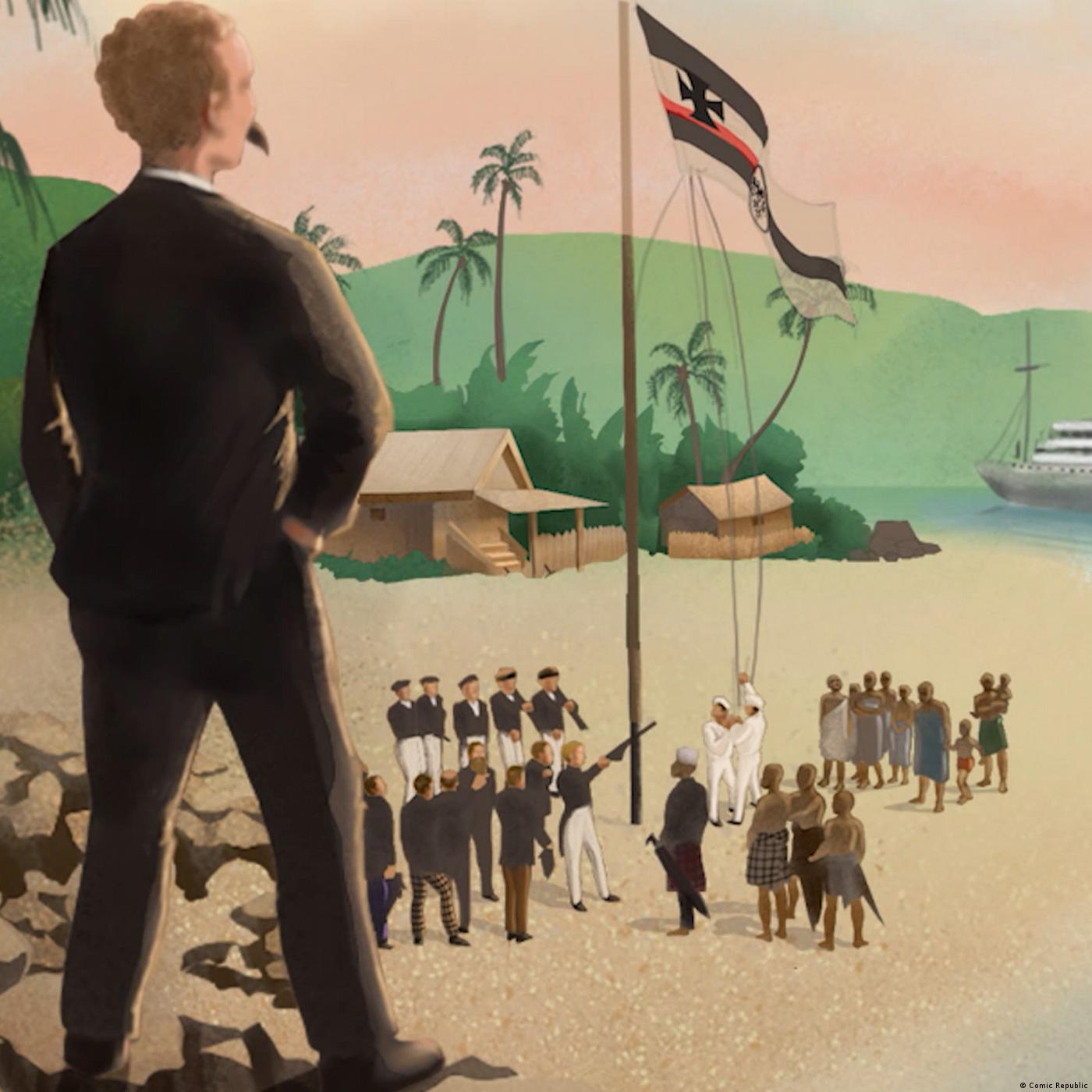
How colonialism boosted Germany's merchant fleets
Running a colonial empire required a reliable merchant fleet. Hamburg-based businessman Adolph Woermann and his shipping line soon exerted considerable influence over Germany's colonial policy. We explore how the Woermann Company became an unofficial instrument of German colonization.
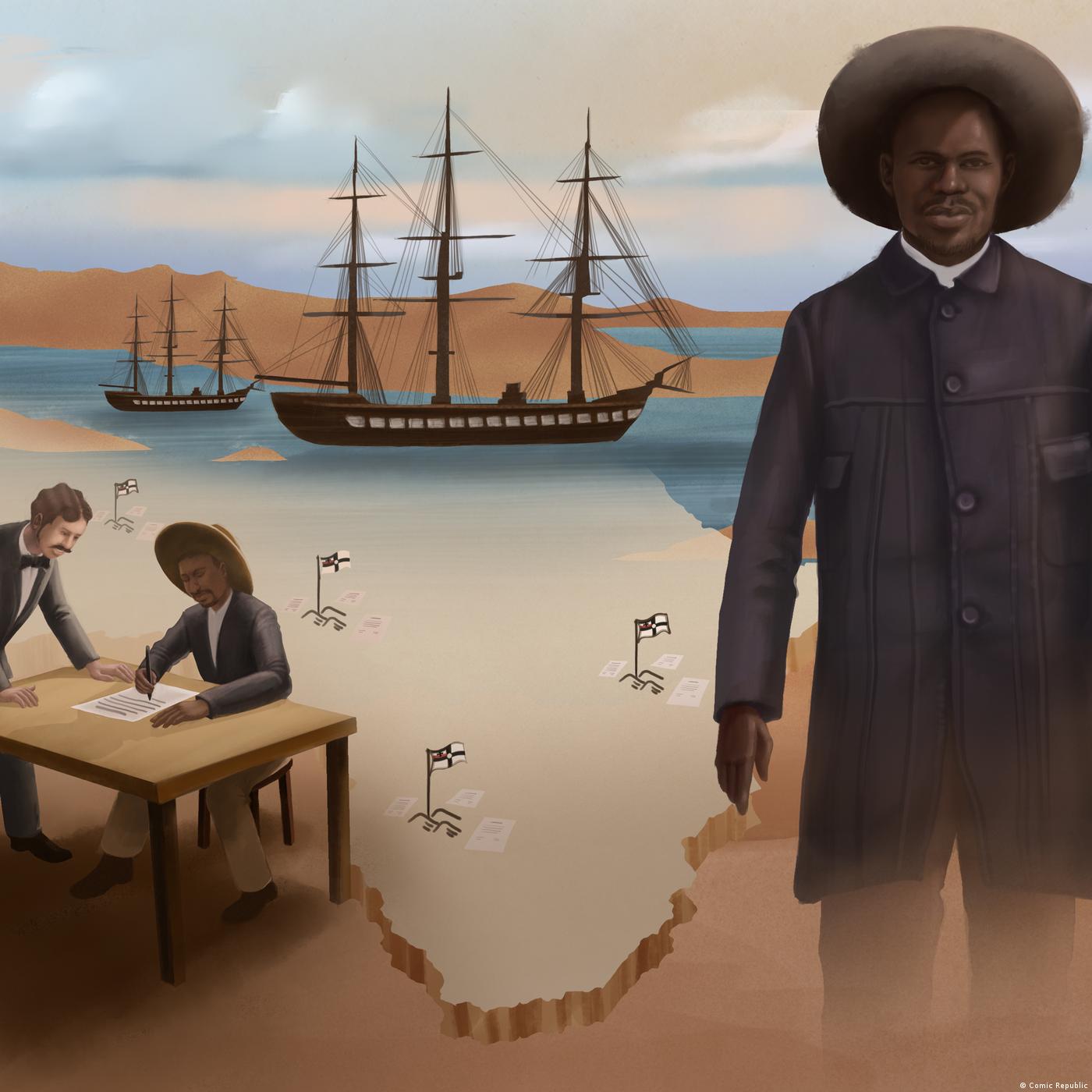
How colonial Germany extended its empire in Africa
By 1885, Adolf Lüderitz had acquired vast territories in today's Namibia. But his contracts with local people were so dodgy that even German colonial officials doubted them.
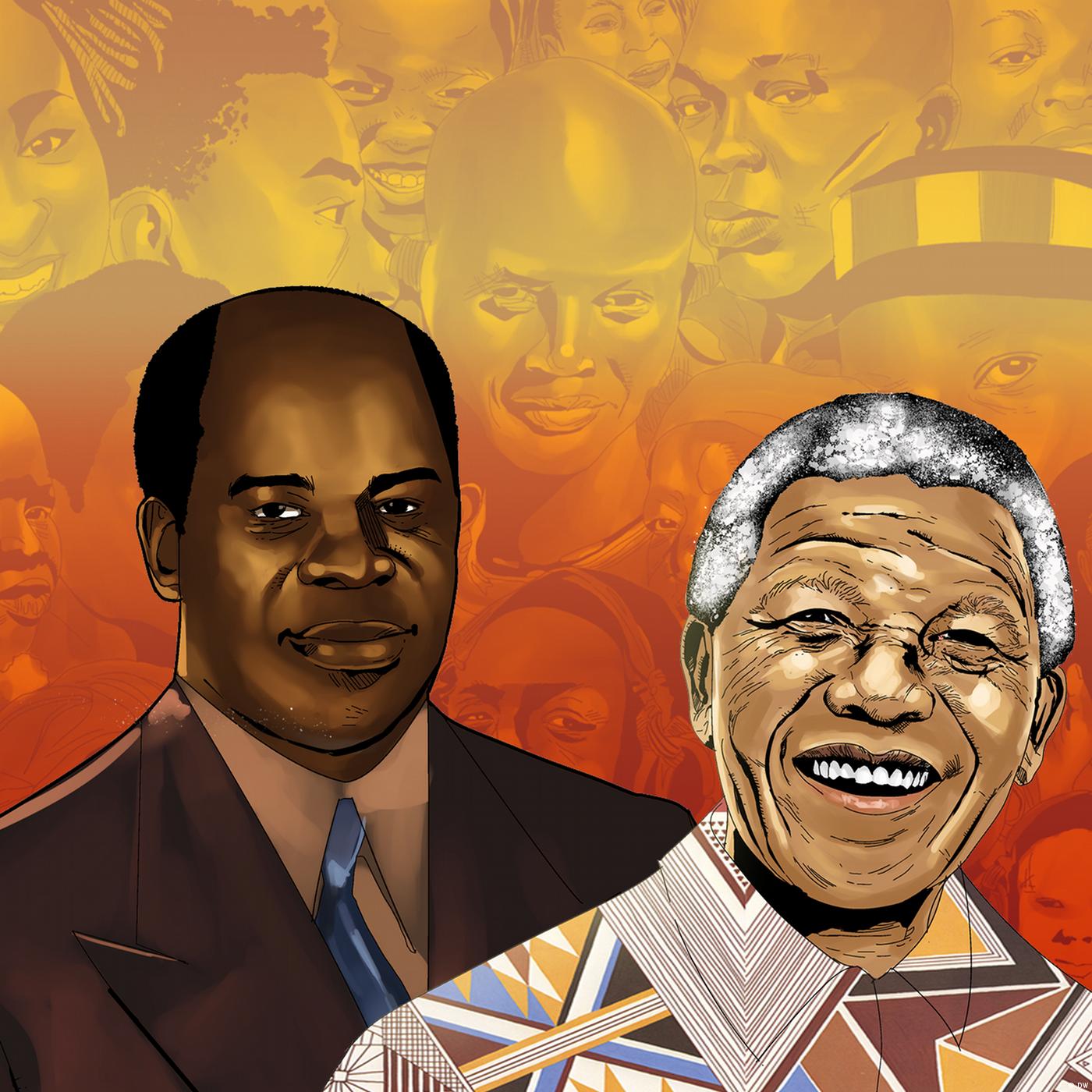
The long road to Liberation: Nelson Mandela and Eduardo Mondlane
For our last episode of African Roots, we profile two giants: Mozambique's Eduardo Mondlane and South Africa's Nelson Mandela. We look at how the two men shaped their respective nations' trajectories in different eras, and how their fight against oppression inspired thousands of young people to take up the armed struggle.
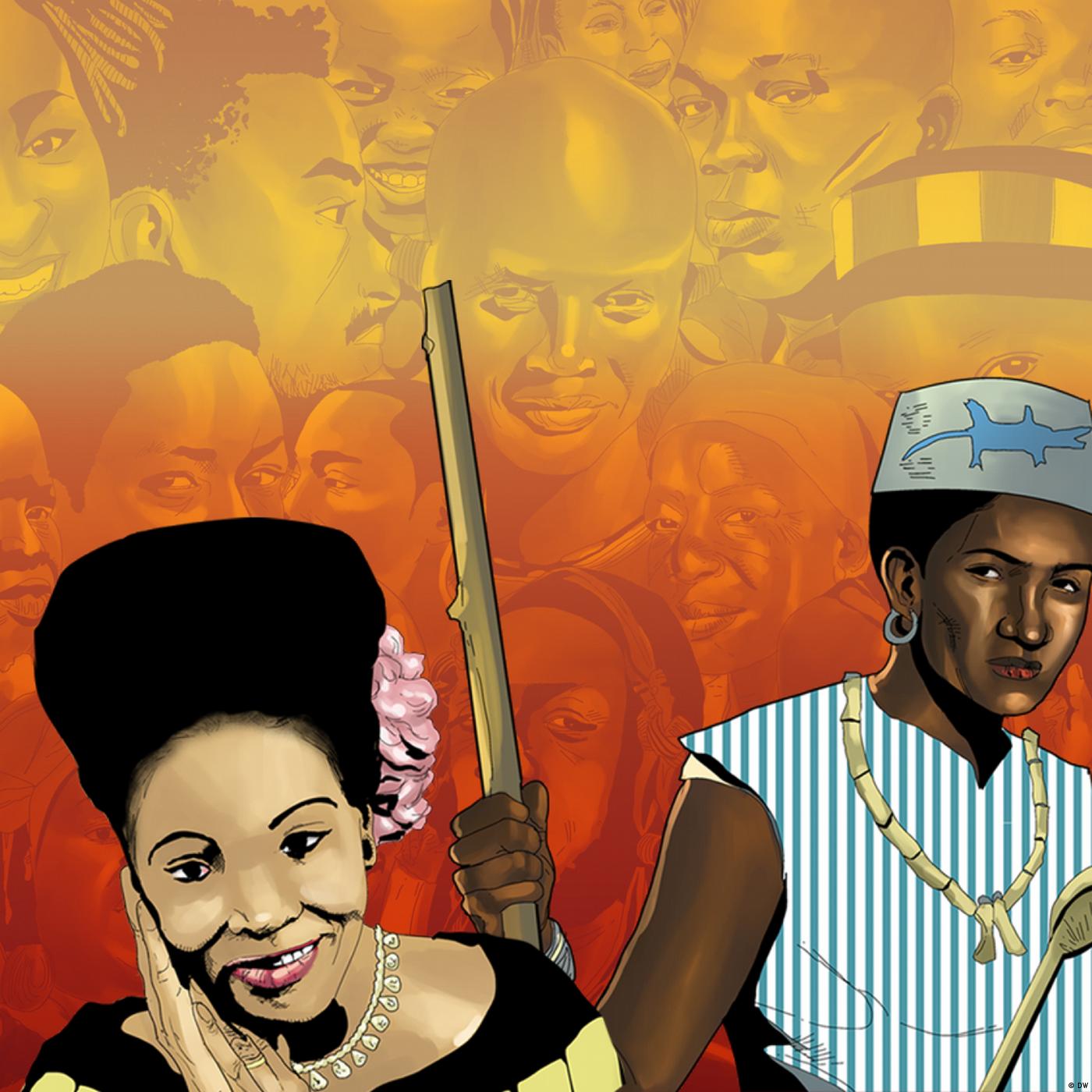
Women to the Front: Margaret Ekpo and The Amazons
Cai finds out how the legendary warriors, the Dahomey Amazons, have recently gained recognition - to dazzling Hollywood effects. But not all women fought on the battlefield: Laila explores how in neighboring in Nigeria, Margaret Ekpo blazed a trail for female participation in local politics as independence took hold.
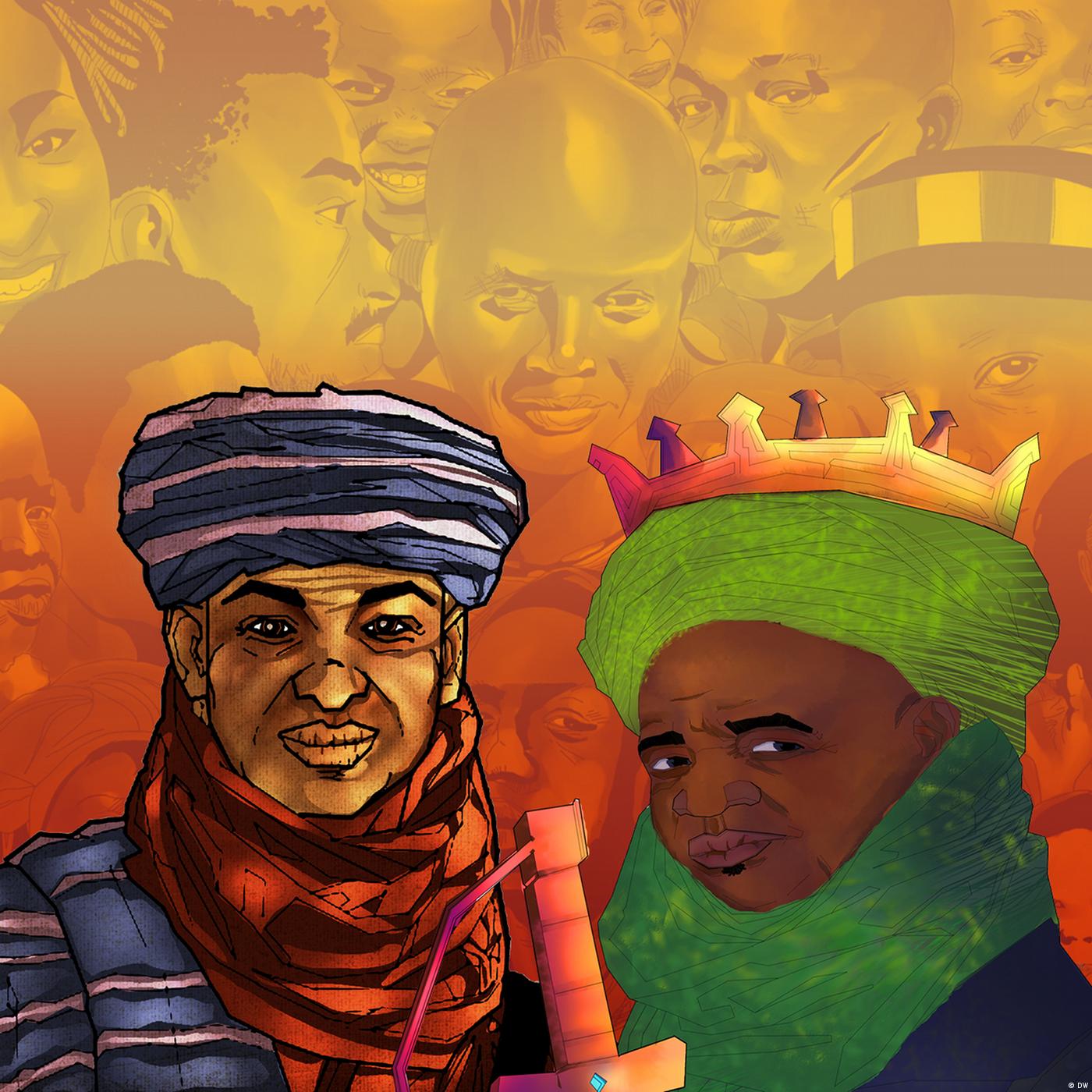
Of myths and legends: Sunjata Keita and Bayajida
Oral histories are key to shaping nationalities, legends and identities. Cai and Laila explore the role of West African griots in keeping alive the phenomenal stories of Sunjata Keita from Mali and Nigeria's Bayajida.
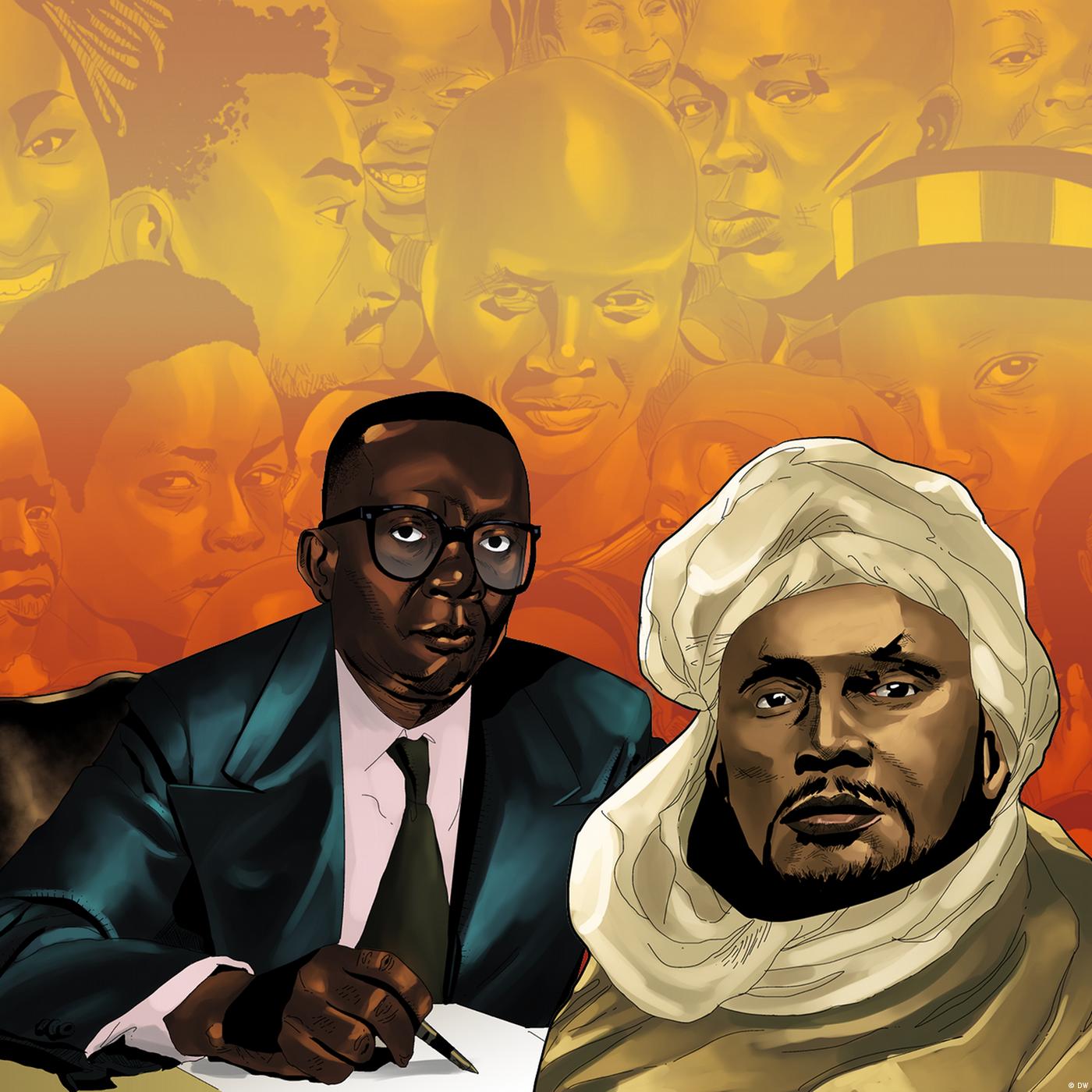
Legacy unravelled: Usman Dan Fodio and William Tubman
The relentless march of time changes histories and, sometimes, tarnishes reputation. Cai and Laila meet two nation builders, Usman Dan Fodio, and Liberia's William Tubman, whose legacies are perceived very differently today than during their lifetimes.
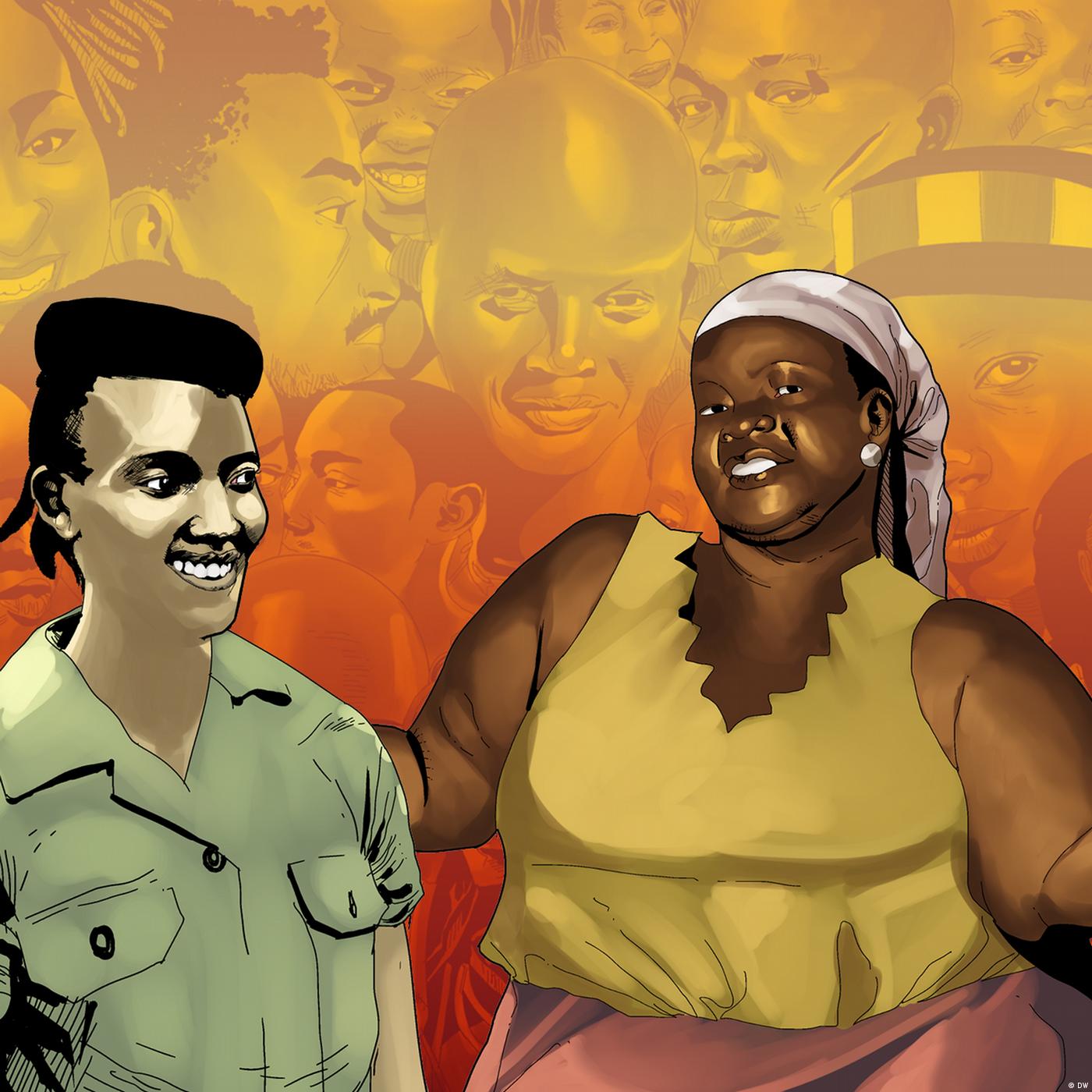
Women lead the liberation: Josina Machel and Bibi Titi Mohammed
The role of women in Africa's liberation movements is underrepresented. African Roots meets Josina Machel, a freedom fighter whose efforts reshaped Mozambique's liberation movement in exile, and Bibi Titi Mohammed, who arguably won the grassroots support that drove Julius Nyerere to power in Tanzania.
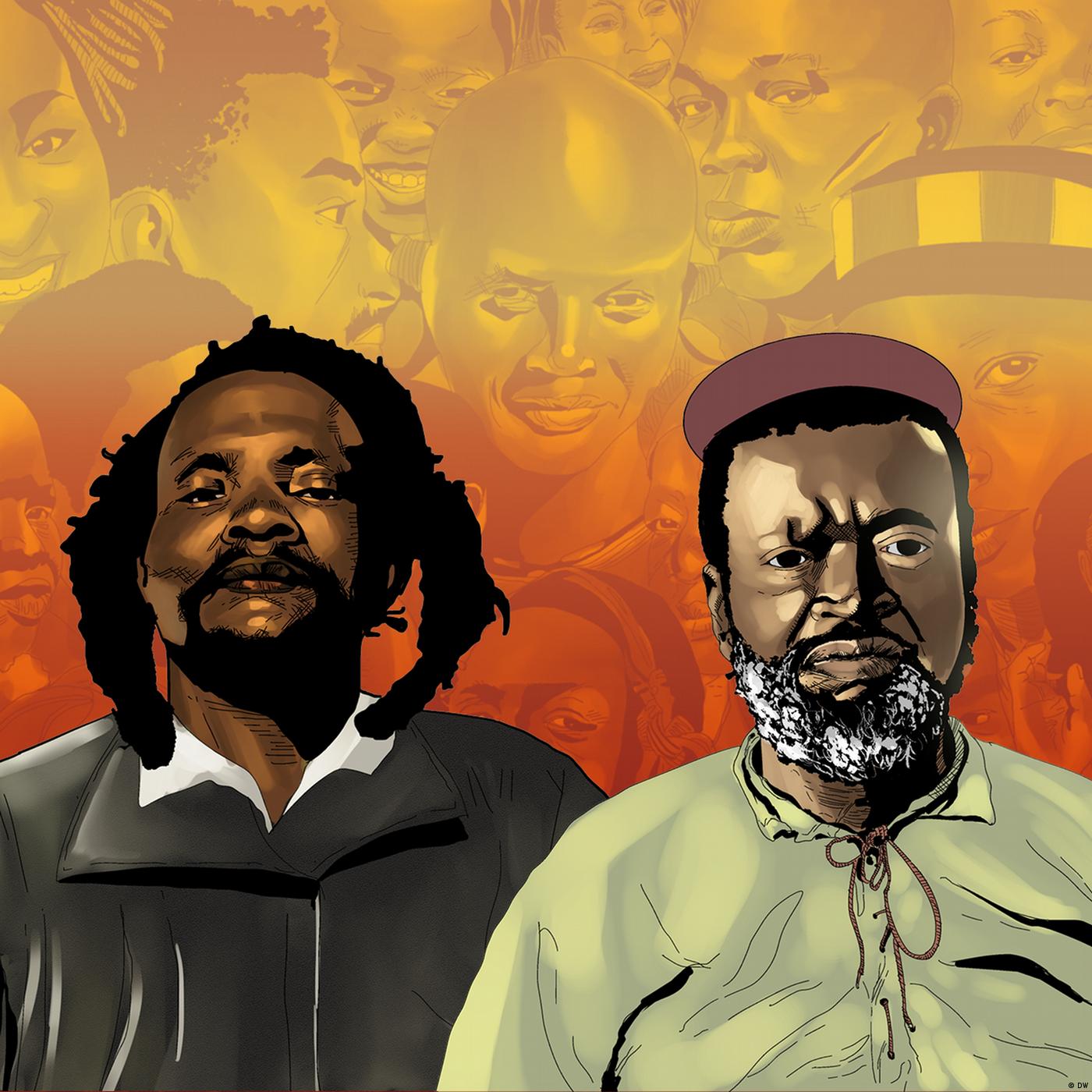
The Return of Forgotten Warriors: Dedan Kimathi and The Lion of Gaza
History often leaves many vital figures out, and only after a few years does their absence stand out. We meet two anti-colonial fighters, Dedan Kimathi and Ngungunyane, and find out why their legacies were left to fade, and why great efforts have been made to remember them.
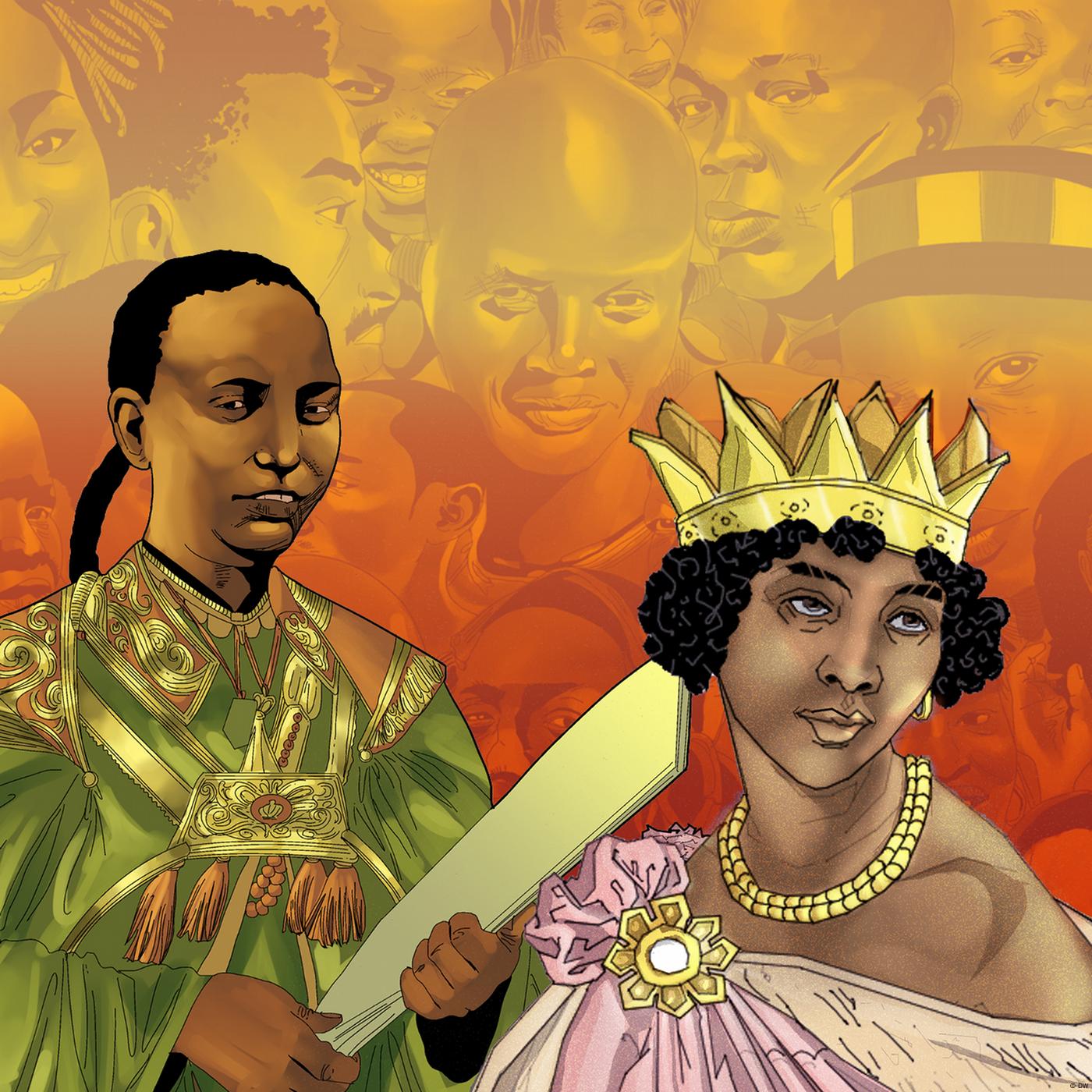
Power players: Taytu Betul and Queen Njinga
Ethiopia's Taytu Betul and Angola's Queen Njinga live large in their countries' historical memory as strong female leaders, and both embody the complicated power dynamics of their times. Just how did Taytu Betul help face down a European invasion? And why were Portuguese colonialists forced to talk with Queen Njinga on equal terms? Cai and Laila bring you their remarkable stories.
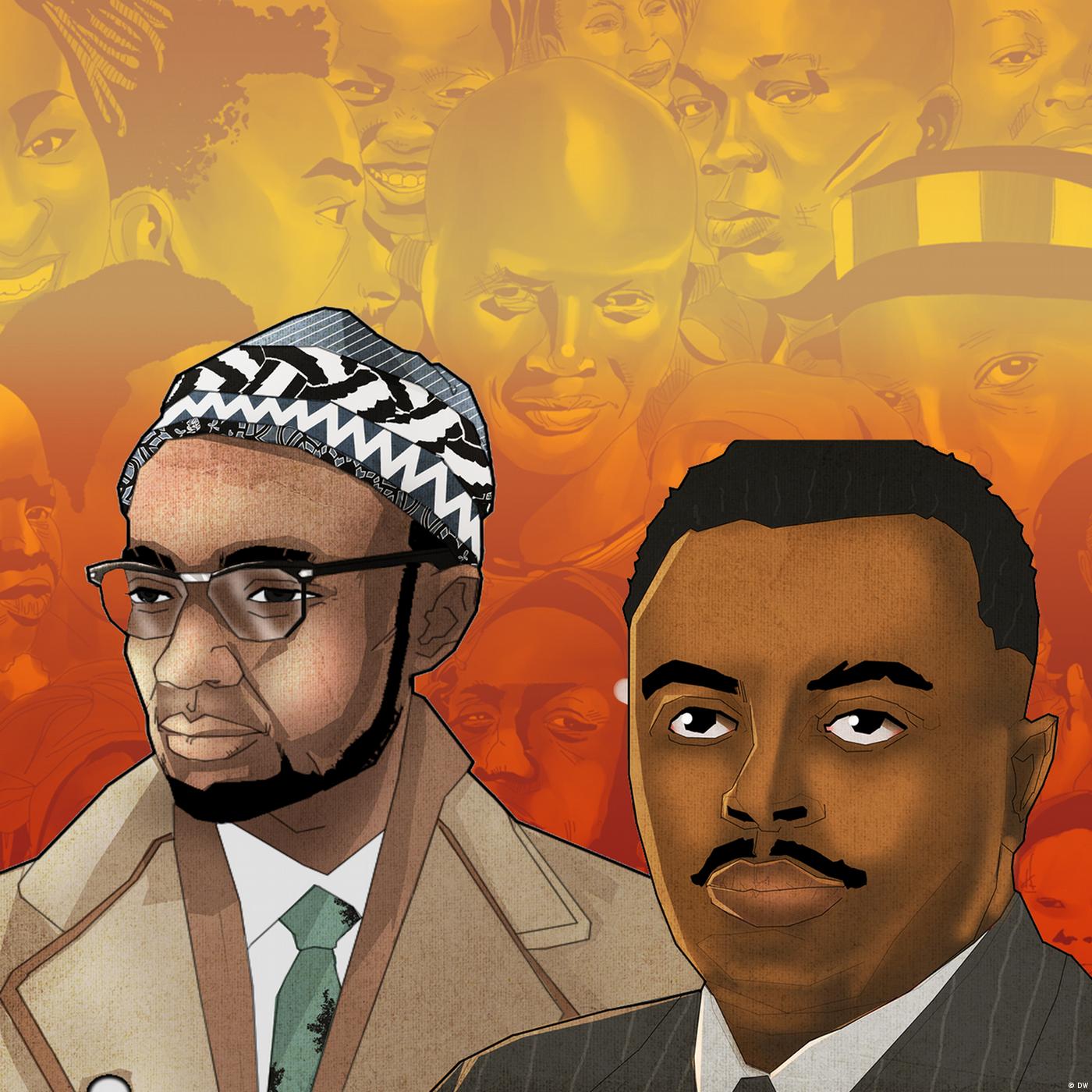
Viva Independence: Amilcar Cabral and Louis Rwagasore
Arguably Africa's most influential revolutionary thinker, Amilcar Cabral, never saw his country gain independence. In the 1950s, Louis Rwagasore, briefly, seemed to unite a divided Burundi, but his time was cut short. We find out the tragic fates of these visionary leaders and how their ideas spread beyond their respective nations.
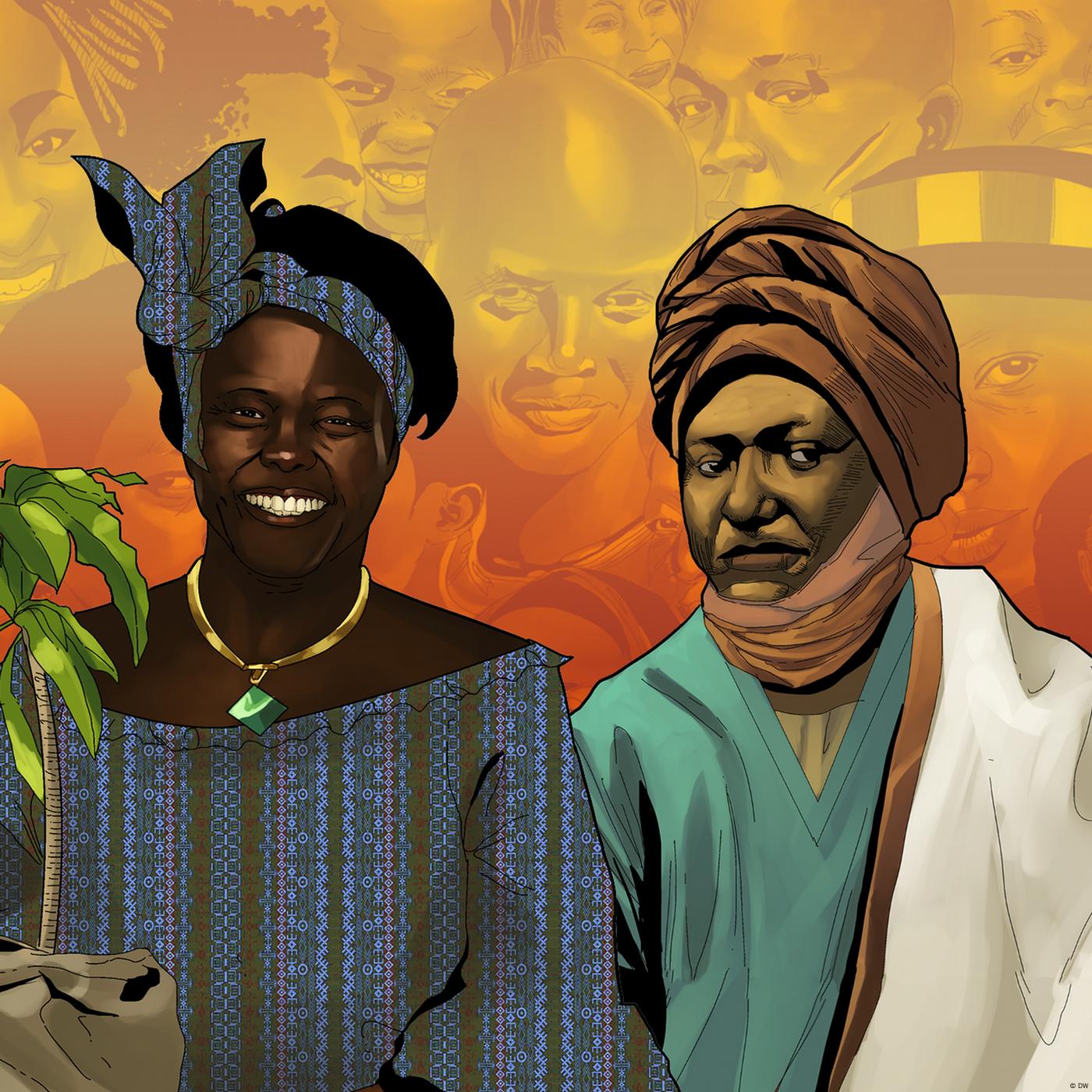
African Mavericks: Wangari Maathai and Njoya Ibrahim
Every generation throws up a maverick - and Africa has had many! Laila introduces Cai to Wangari Maathai, who rewrote the rules for environmentalism in east Africa, and faced down stiff resistance in the process. Cai looks back to Cameroon's colonial era leader Njoya Ibrahim, a man of many talents who could have been anything - but, above all, achieved the status of an African hero.
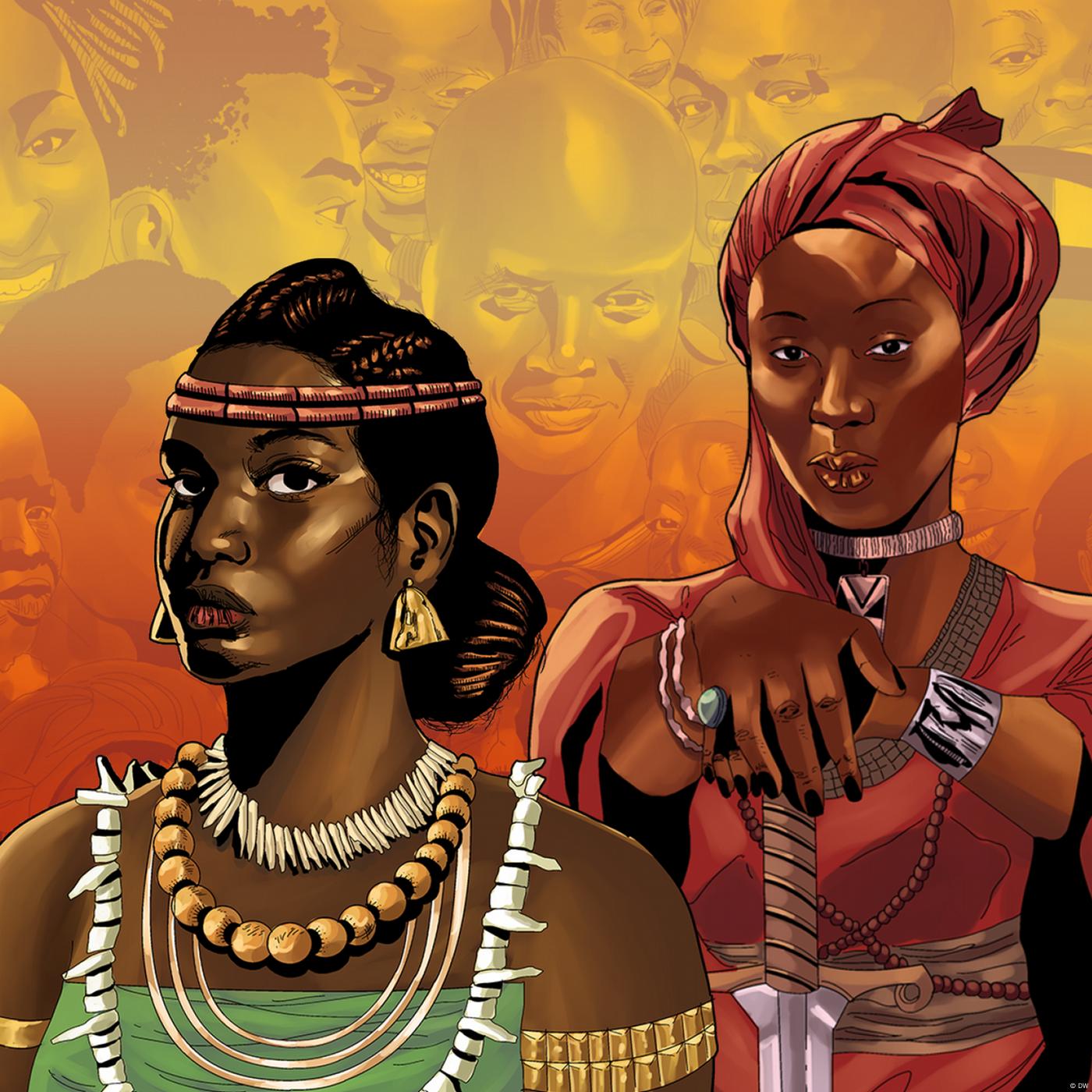
Warrior Queens: Amina of Zazzau and Queen Abla Pokou
Season 2 of the African Roots podcast is here! And we start off with two West African icons: Queen Amina of Zazzau and Queen Abla Pokou. Both women are nation builders of almost mythical proportions, so hosts Cai and Laila delve into why these two royals went on to drastically change their society's fate.
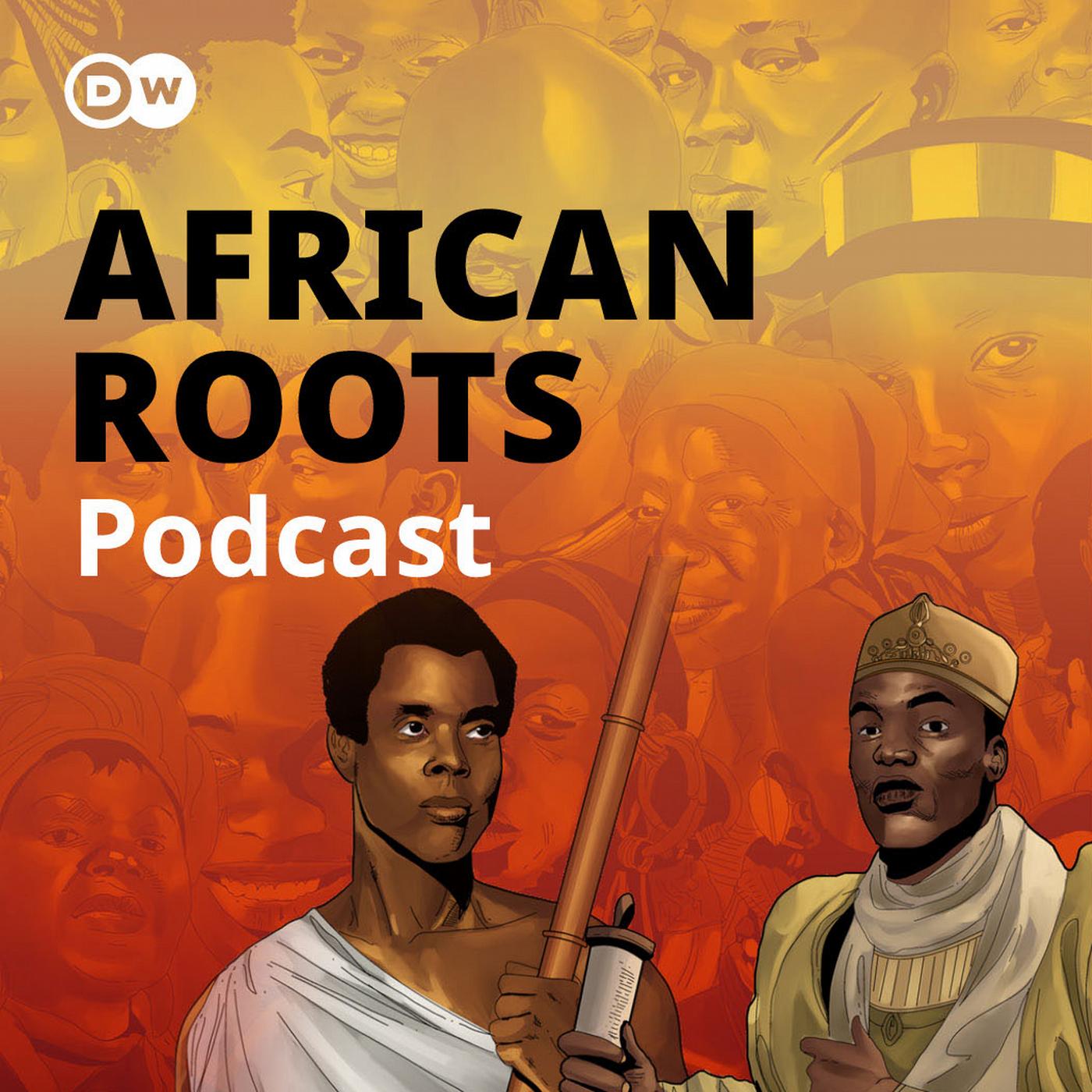
Captured! Sengbe Pieh and King Afonso the First
What was it like living under the tyranny of slavery? Cai and Laila open a cruel chapter of human history by meeting two figures who felt the consequences of the Transatlantic slave trade very differently: Sengbe Pieh, hero of the Amistad court case, and Afonso the First, whose Kongo Kingdom was decimated by slave raids.
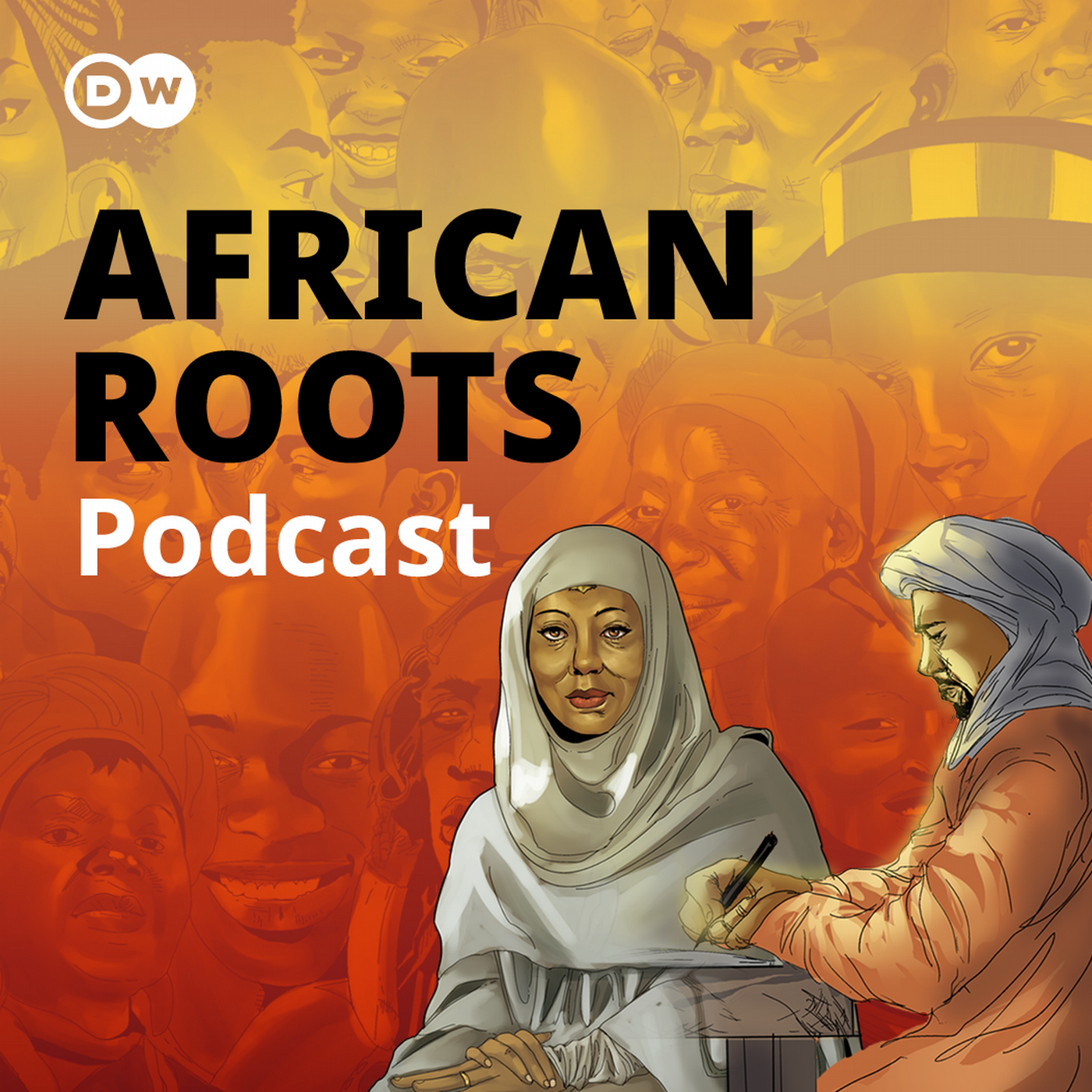
Pride in Wisdom: Fatima al-Fihiri and Ahmed Baba
Fatima al-Fihiri's legacy as a supporter of education hold immeasurable cultural and educational value, still being felt today. Meanwhile, further south into the Sahara, Ahmed Baba's teachings became a landmark for Muslims across Africa. Listen to their stories right here on the African Roots podcast!
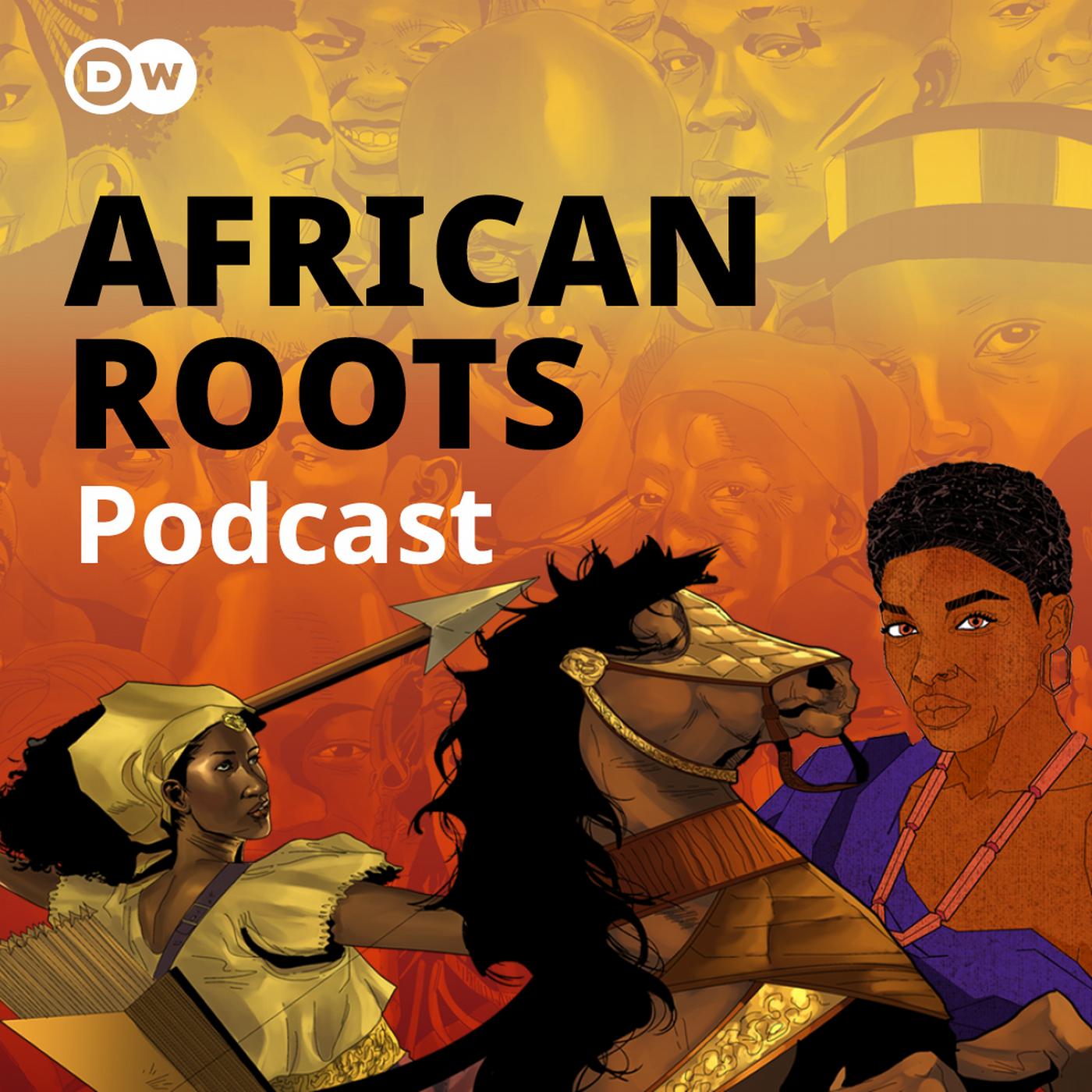
Warrior Women: Princess Yennenga and Yaa Asantewaa
When the men stood down, the women stood firm. Cai and Laila meet the fearsome warrior Princess Yennenga, whose famous stallion has become a symbol of Burkina Faso. Meanwhile, Yaa Asantewaa caused such problems for British colonialists that an entire war was named after her.
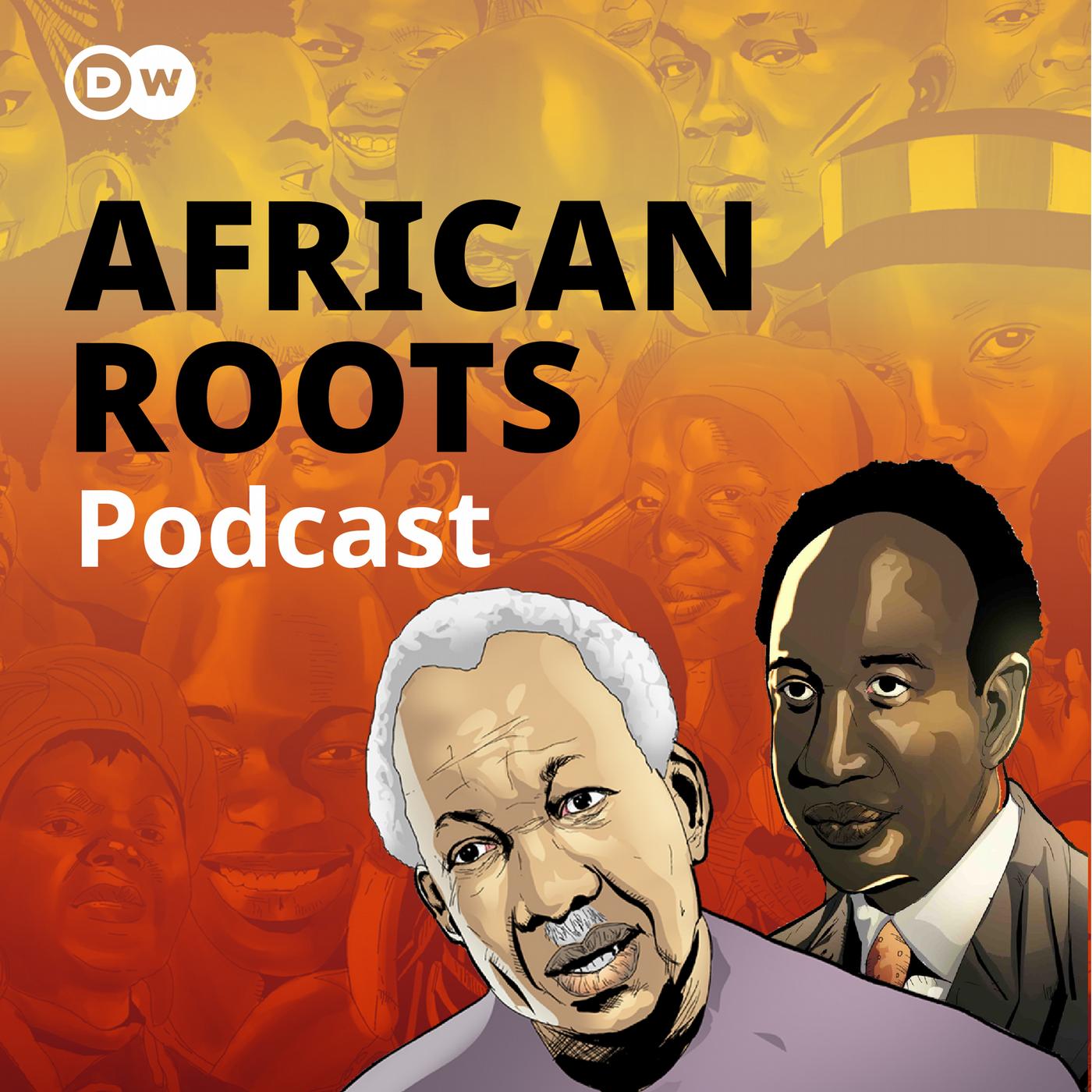
Independence Now! Kwame Nkrumah and Julius Nyerere
When the winds of freedom from colonialism swept across Africa in the 1960s, new nations were tasked to develop into functioning democracies overnight - most without success. Cai and Laila profile two giants of the African independence era - who took radically different, but in some ways similar, paths.
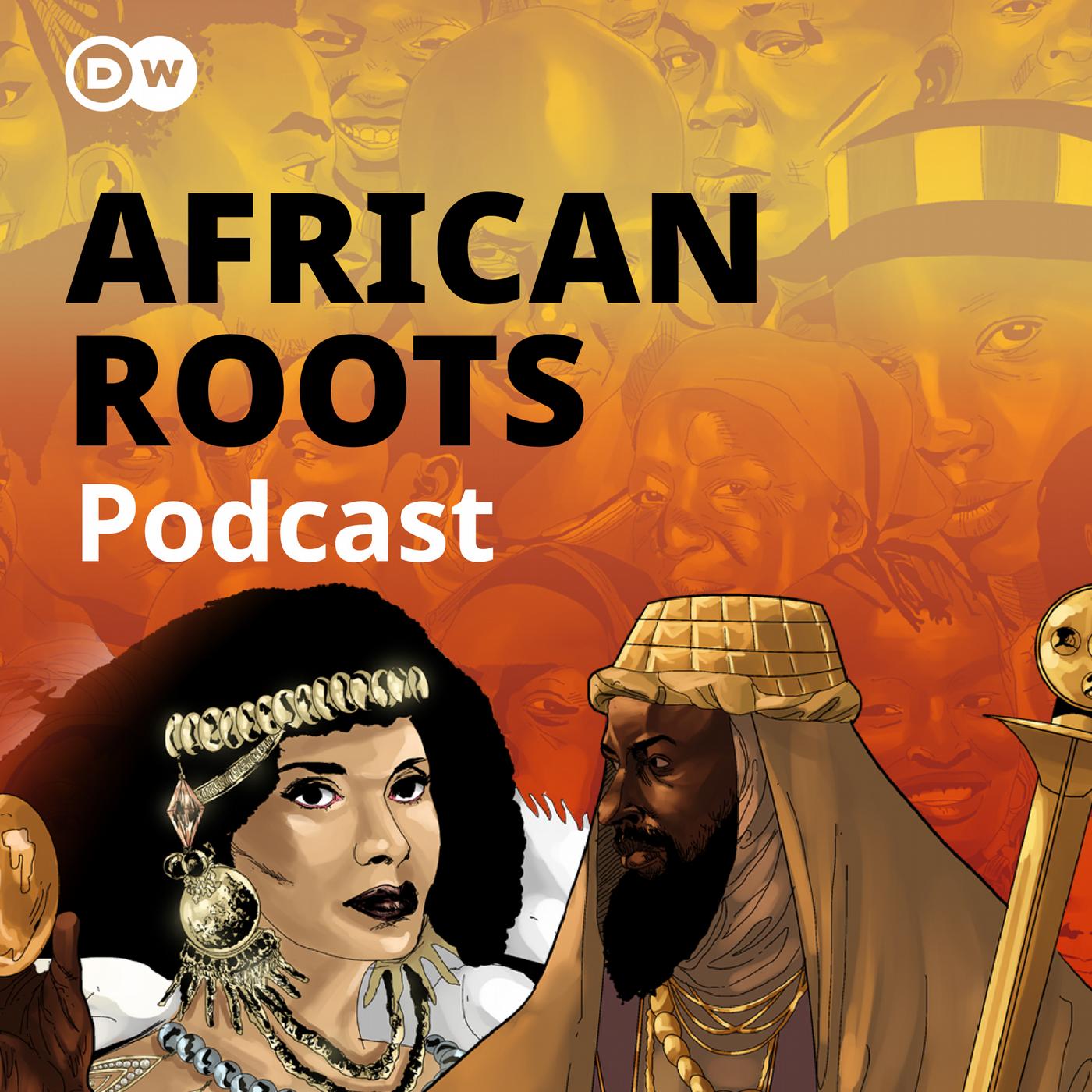
Journeys that changed history: Kanku Musa and Queen of Sheba
Some figures transcend all borders - physical, religious or spiritual: Cai goes in search of the legendary Kanku Musa, possibly the richest person who ever lived, and who changed the course of Muslim history forever. Meanwhile, Laila recounts the mythical tale of the Queen of Sheba and her roots in Ethiopia.
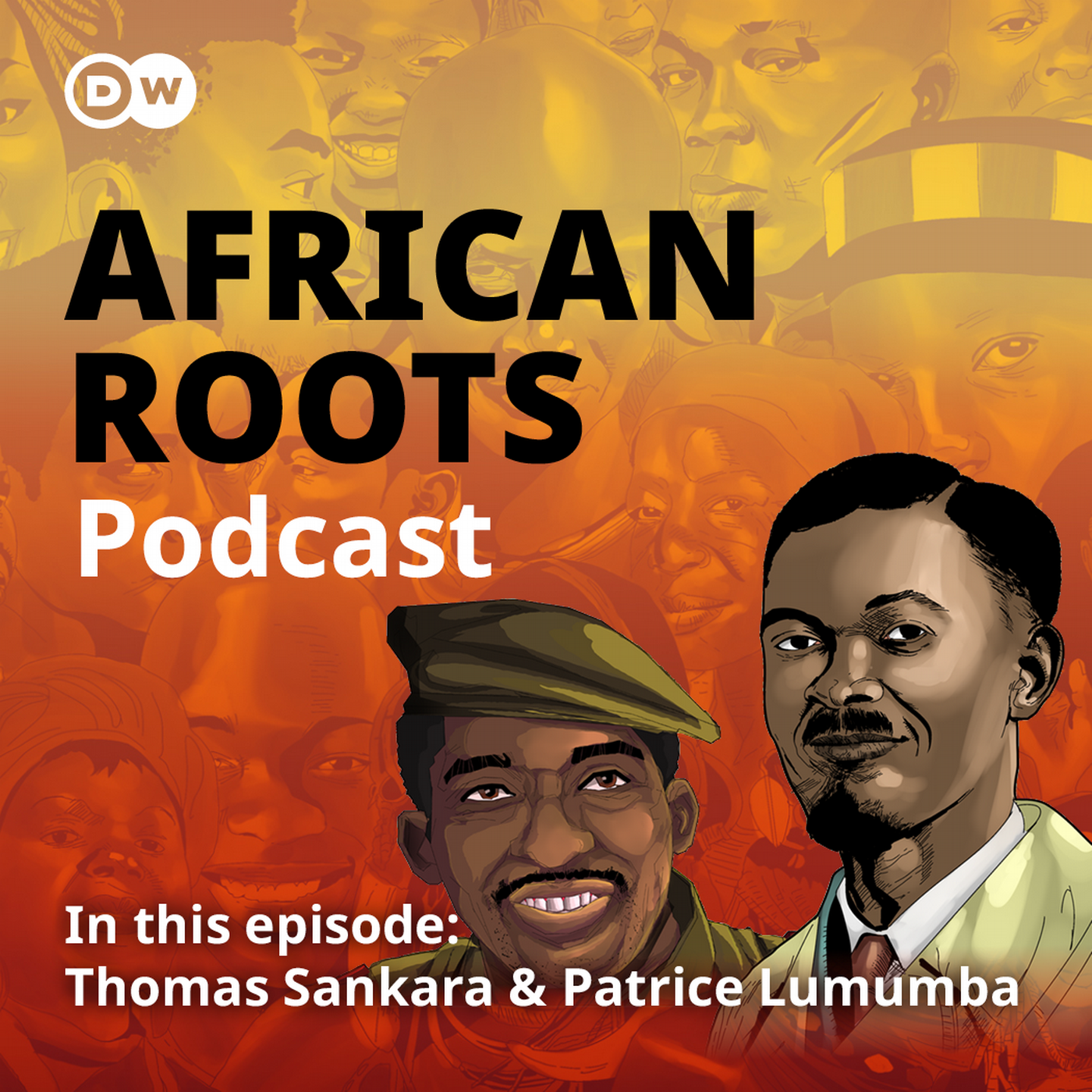
Revolutionary martyrs: Thomas Sankara and Patrice Lumumba
Two of Africa's most famous, young revolutionaries gave their fledgling nations hope, if just for a short while. Laila explores how Patrice Lumumba's dreams of independence rattled Western powers, while Cai reveals why Burkinabe Thomas Sankara is still an icon for young leaders across Africa.
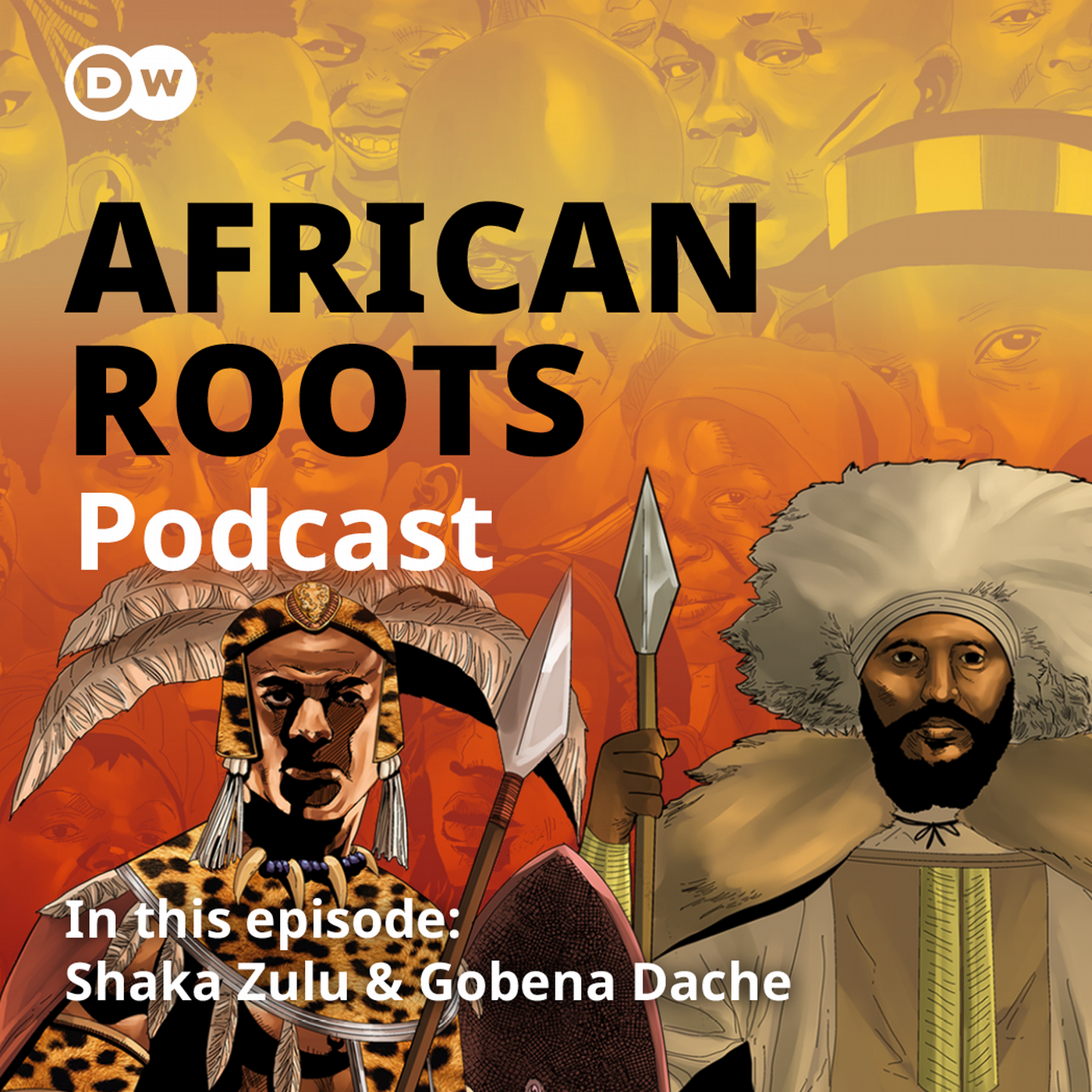
Unifying warriors? Shaka Zulu and Gobena Dache
Laila and Cai explore the complex and controversial legacies of two of Africa's military men: South Africa's Shaka Zulu and Ethiopian Gobena Dache. While both are renowned for their military prowess, their repressive attempts to unify their people caused rivers of blood to flow.
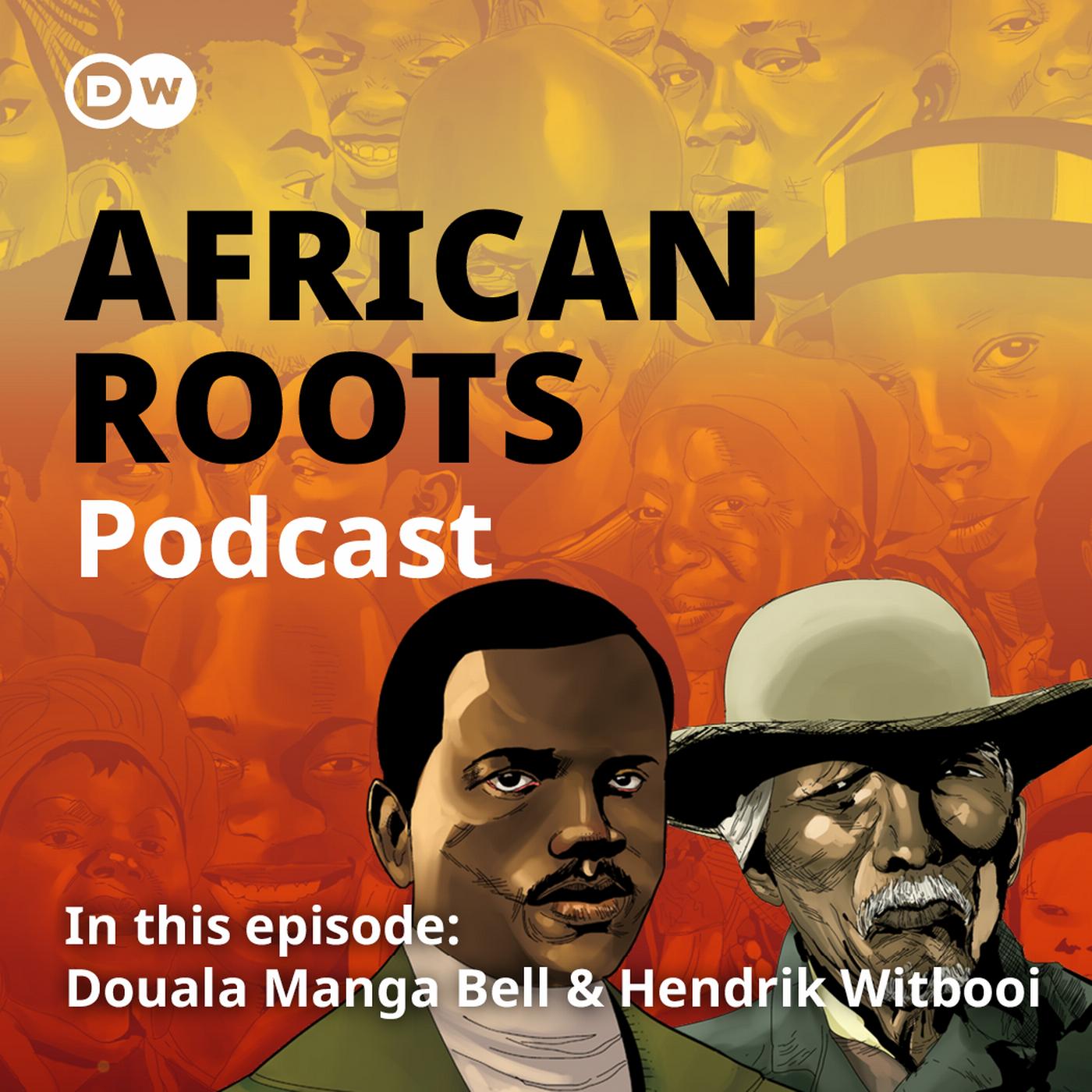
Nein to the Kaiser! Douala Manga Bell and Hendrik Witbooi
When the scale and racist nature of Germany's colonial ambitions in Africa became apparent, leaders Rudolf Douala Manga Bell and Hendrik Witbooi resisted. Cai and Laila narrate how the two men from Cameroon and Namibia respectively took very different paths to impede German imperial domination.
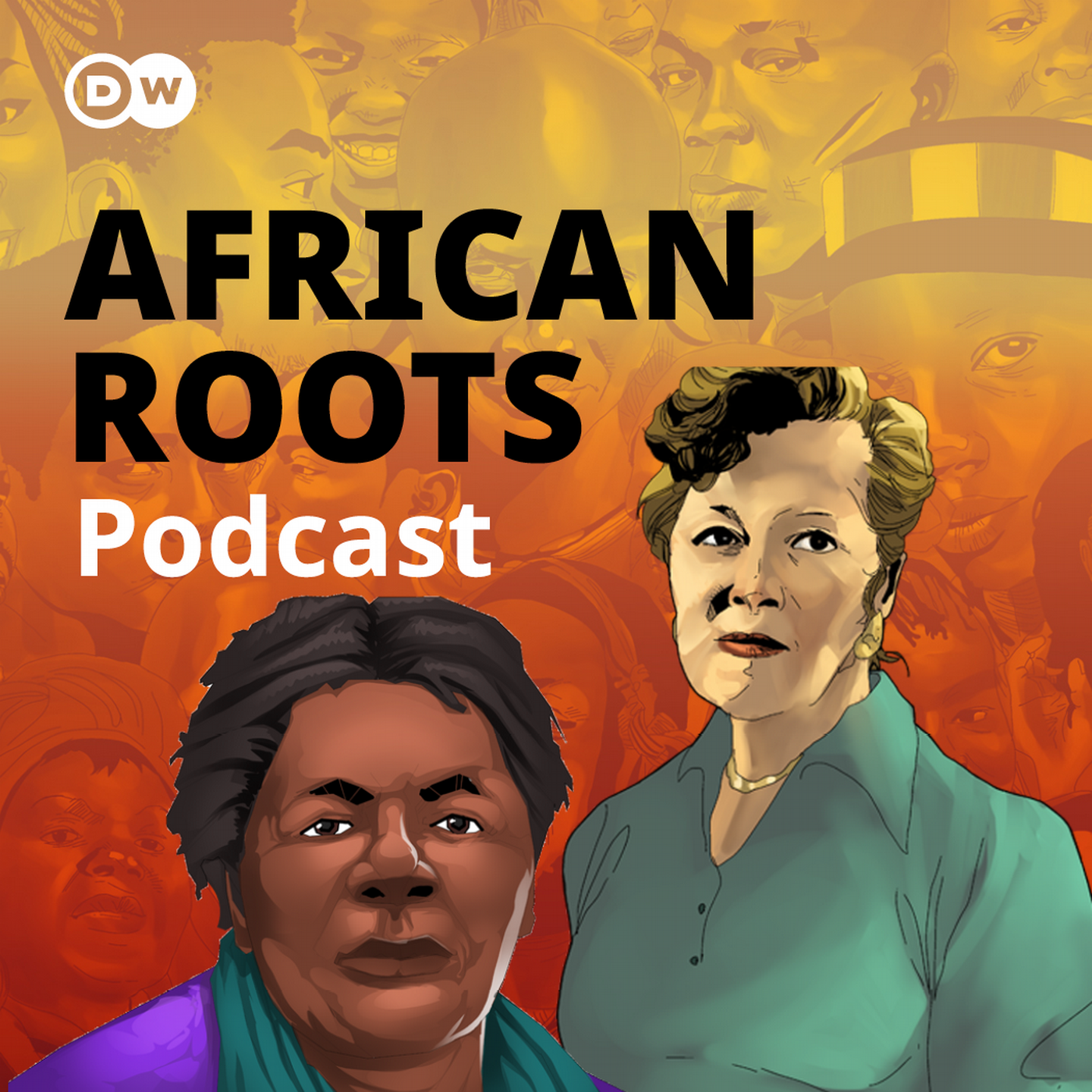
When you strike a woman, you strike a rock! Charlotte Maxeke and Helen Joseph
Laila and Cai explore the roles of two remarkable South African women who fought white-oppression in two different eras. Golden voiced Charlotte Maxeke formed the ANC's Women's League in the early 20th century. Decades later, Helen Joseph led the historic Women's March and co-wrote the Freedom Charter. Though neither saw the fall of apartheid, their struggle inspired millions of South Africans.
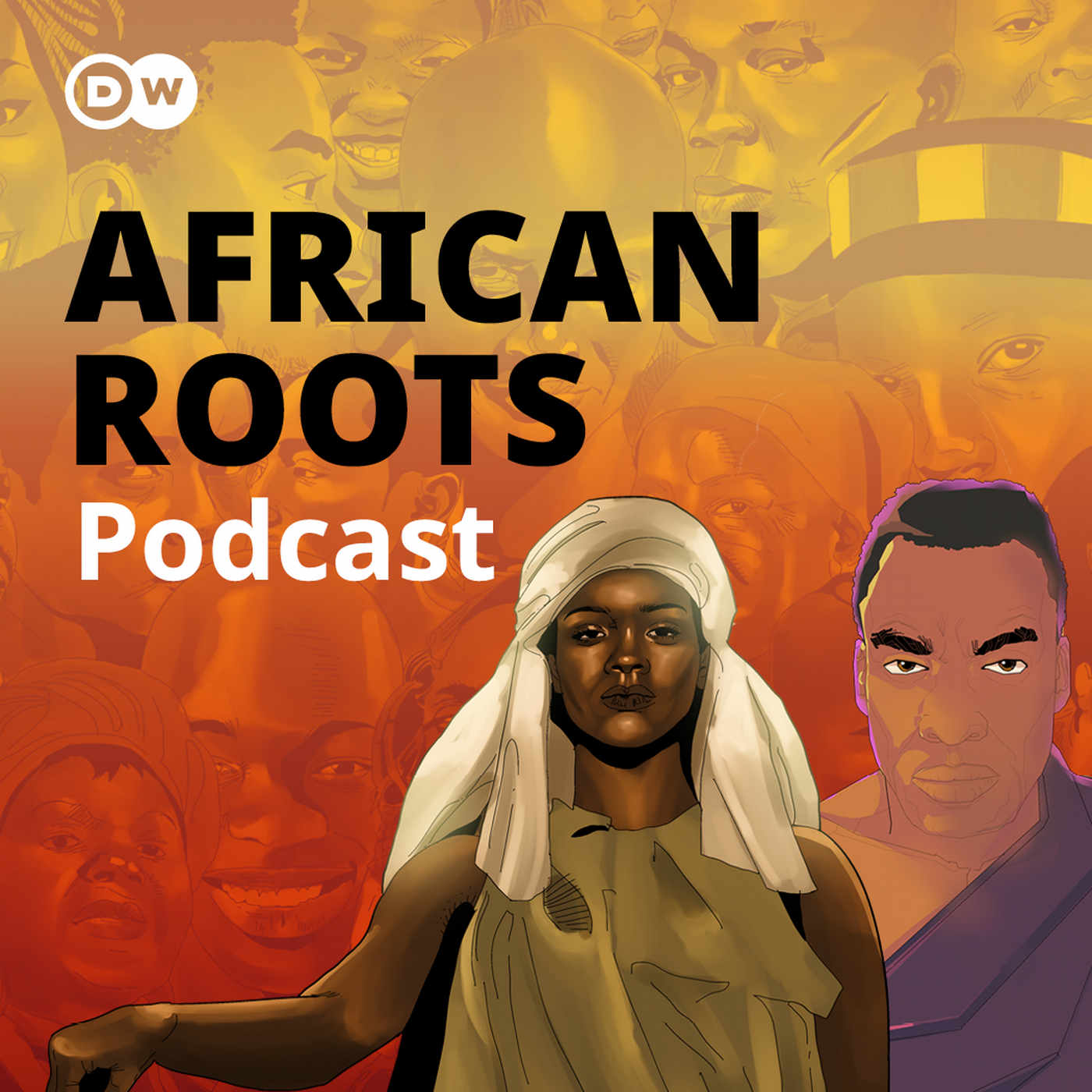
Fighting Spirits: Kimpa Vita and Kinjeketile
Resisting oppression comes in many forms. But few embody spiritual resistance like Kimpa Vita, who adapted the Catholic religion to the chagrin of Portuguese colonists. Meanwhile in East Africa, prophet Kinjeketile raised an army against German imperialism. But how did they inspire resistance movements simply with their aura?
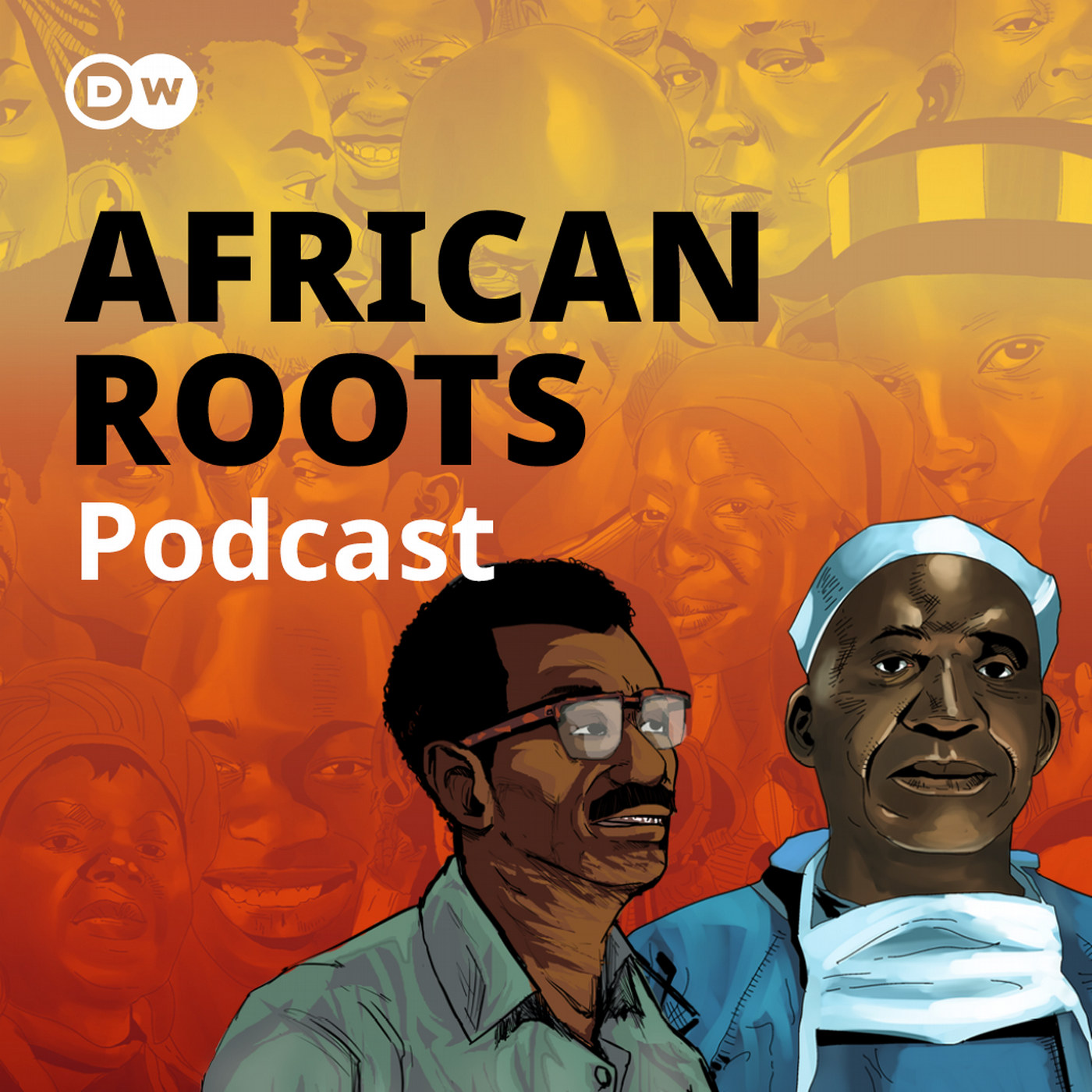
Given half a chance: Cheikh Anta Diop and Hamilton Naki
Despite colonial oppression limiting opportunites for talented African scientists, Senegalese polymath Cheikh Anta Diop dispelled whitewashed myths of Ancient Egypt. Meanwhile in South Africa, Hamilton Naki defied the apartheid regime by training among the elite heart surgeons that paved the way to the world's first heart transplant in 1967.
Making history her story: Flora Nwapa and Siti Binti Saad
Cai introduces Laila to Zanzibari icon, Siti Binti Saad. Not only did she rewrite the rules of Taarab music, she became the genre's biggest star. Meanwhile, Laila's countrywoman Flora Nwapa literally wrote herself into history as a glass ceiling smashing novelist.
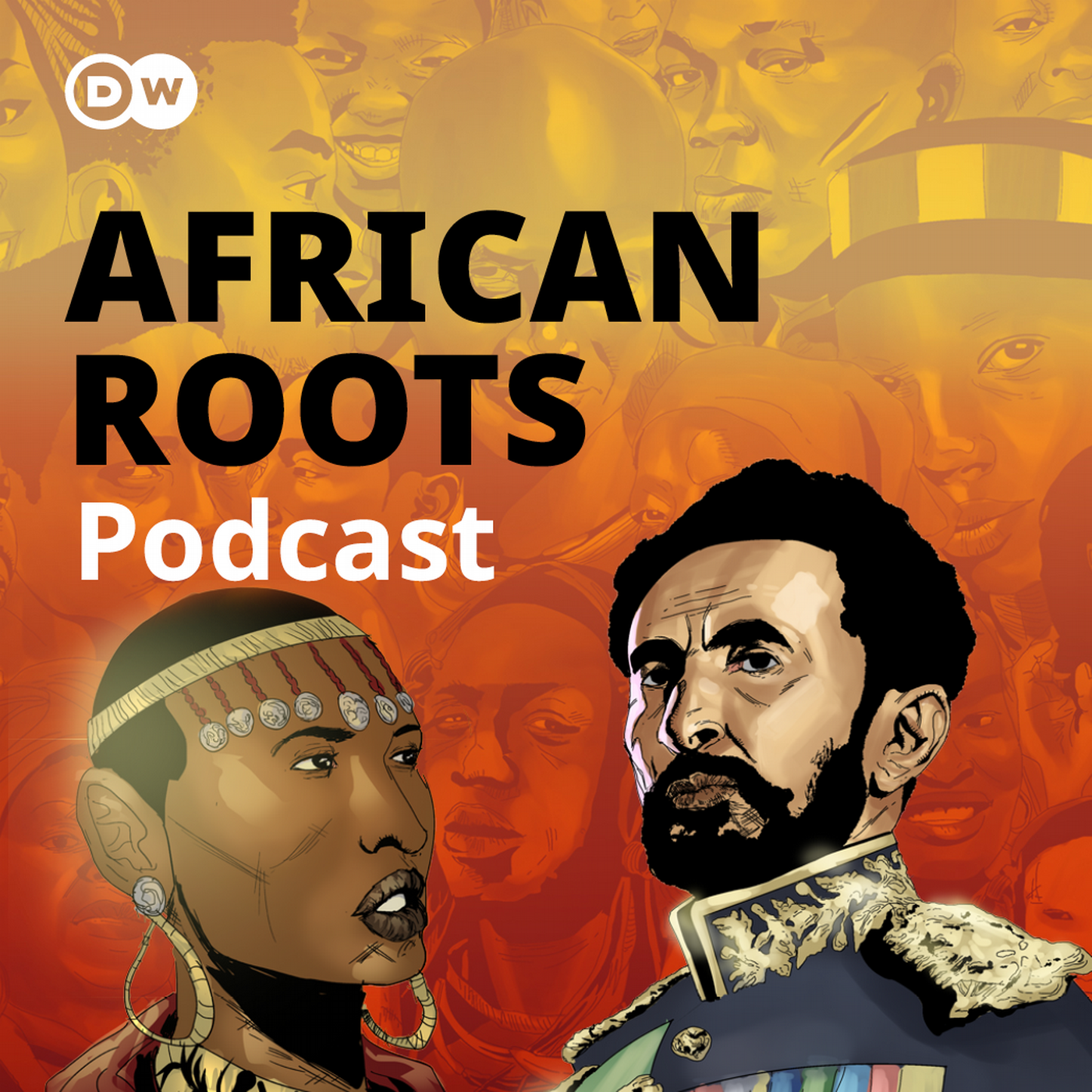
Royal rebels: Haile Selassie and Queen Muhumuza
In our first podcast, hosts Laila Johnson Salami and Cai Nebe profile two leaders who were a thorn in the side of imperial powers. And both have a surprising role in the foundations of Rastafarianism, and reggae music.
Empfohlen

Deutsch lernen - Deutsch-D1-Audio-Erlebnis
Löhr & Pennekamp

Einschlafen mit Tolkien

Die Maus zum Hören

Langsam Deutsch - Deutsch lernen

Learn German with Thomas

Deutsch mit Rieke

5 Minuten Märchen - Frederik der kleine Fuchs - kurze Hörspiele für kleine Abenteurer

Easy German Dialogues - Deutsch lernen mit Dan

Beats & Bones

Learn German, one step at a time

Goethe-Geschichten
