DW AfricaLink
DW AfricaLink is a daily podcast from Deutsche Welle covering news, politics, culture, and more across Africa. Episodes address topics such as health, freedom of expression, finance, tolerance, and environmental protection. The show aims to inform and engage listeners with in-depth reporting and analysis.
Folgen
Nigeria's veterans fight for fair pensions
Military veterans in Nigeria say they're being denied benefits earned through years of service. As tensions rise, the pensions dispute is raising questions about support for retired soldiers.
Zimbabwe's WhatsApp hacks: Who's behind them?
Zimbabwe is facing a surge in WhatsApp account hijackings affecting everyone from small businesses to government officials. Who is behind the attacks, and can users do more to stop them?
Ghana's BRICS bid: Opportunity or gamble?
Ghana plans to apply for BRICS membership. Could joining the bloc boost investment, trade and industrial growth, or complicate the country's long-standing policy of non-alignment?
What's in Zambia's new health deal with the US?
Zambia's new five-year US health partnership followed a dispute over patient data, biological specimens and critical minerals. Officials say those clauses are gone, but concerns remain.
Cameroon’s Anglophone crisis: 10 years on
Ten years into Cameroon's Anglophone crisis, ordinary people continue to bear the cost of the conflict. Lucy Riley speaks to Nkongho and DW's Moki Edwin Kindzeka about what it will take to bring lasting peace.
Ebola outbreak: Is Kenya prepared for a public health emergency?
Kenya is rushing to contain Ebola after a man who travelled from the DRC through Uganda tested positive and later died. Lucy Riley speaks to Dr Dennis Miskella and DW's Felix Maringa about Kenya's preparedness.
Why five European countries are looking to Rwanda for deportations
Europe is considering sending rejected asylum seekers to Rwanda and possibly Uganda. What will it mean for Rwanda and African migrants?
Cape Town's highway barrier: Safety fix or misplaced priority?
Cape Town plans a $6m highway barrier to curb crime and save lives. Critics say the money should fund housing and sanitation. Will it make communities safer?
Why do Nigerians attempt world records?
In the space of just one week in September, Nigerians challenged two Guinness World Records. What's driving the quest for global titles?
Ethiopia's conflict in Tigray: What cards does Abiy Ahmed still have?
Four years after a civil war in Tigray, fighting is back. This time, former enemies are joining forces against Prime Minister Abiy Ahmed. Could Ethiopia be heading towards an even wider conflict?
Are corruption and over-taxation choking Kenyan businesses?
A new World Bank report puts the spotlight on the myriad of challenges that businesses operating in Kenya face — heavy taxation, bribery and regulatory hurdles. What reforms are needed to unlock meaningful change?
Has Africa made English a measure of intelligence?
Ghana's multilingual first lady faced an intense backlash on social media over her spoken English recently. Is the ability to master a former colonial language evidence of intelligence or fitness for public life?
Dangote refineries: Pan-African progress or monopoly power?
Aliko Dangote is reshaping Africa's energy map. Do the investments of the continent's richest businessman amount to progress for Africa or monopoly power?
South Sudan: Will elections actually happen?
South Sudan is due to hold elections in December, but critics say political decisions favoring the ruling party are raising questions on whether the opposition can even compete.
Is Africa ready for a humanoid robot revolution?
A humanoid robot named Walker E, or "Mutembei," appeared on Kenyan TV recently. Universities, schools and labs around Africa are delving into the technology that raises some deep questions.
South Africa: Are weight-loss drugs safe?
Weight-loss drugs are becoming increasingly popular in South Africa — especially the counterfeit ones. What's driving the demand, and how safe are these drugs?
Tanzania: Can international recognition save opposition leader Tundu Lissu?
The treason trial of Tanzanian opposition leader Tundu Lissu is in its final stages. He could face the death penalty if convicted. Lissu has been nominated for the European Union's Sakharov Prize for Freedom of Thought.
What's in the new US-Kenya rare earths deal?
The US plans to support development of Kenya's rare earth and niobium industries at Mrima Hill. Could the deal boost jobs and growth, or deepen Kenya's dependence on foreign partners?
Africa's push for a permanent UN Security Council seat
African leaders at the UN General Assembly demand permanent seats on the Security Council — deciding war, peace and sanctions. How realistic is reform, and what stands in the way?
South Africa killings reignite femicide fears
Nine women have been found dead in Johannesburg in under two months, reigniting concerns about femicide and violence against women and girls in South Africa.
Nigeria's 2027 election: Where do young voters stand?
Youth voters helped shape Nigeria's 2023 election. With inflation, unemployment and migration reshaping priorities, are young Nigerians still engaged ahead of the 2027 vote?
Nigeria pushes to decriminalize attempted suicide
Nigeria is facing growing calls to decriminalize attempted suicide. What would that change mean for vulnerable people and the mental health system?
Is Malawi taking a gamble with its fragile health system?
Malawi's plan to send 500 nurses to Israel has sparked debate. Supporters say it's a chance for unemployed nurses to earn and upskill, but critics warn it could cripple the country's health system.
Are journalists in Lesotho safe?
In early September, Newsday editor Kananelo Boloetse was reportedly abducted, interrogated, and assaulted by unidentified men. Is the media under attack in Lesotho?
Kenya's foreign trader crackdown: What is driving the policy?
Kenya's President William Ruto has ordered all foreign nationals working in the country's retail sector to obtain or update their business licenses and work permits. What does it mean for East African Community?

Can children in Cameroon's conflict zones return to school?
The long-running Anglophone crisis in Cameroon is still keeping many children out of school. What does it mean for their future?
Can a new map change how the world sees Africa?
A new UN resolution calls for the use of maps that don't diminish Africa's size. What will that mean for perceptions of the continent?
How kidnappings in Nigeria bankroll global terrorism
Kidnapping has become a growing business in Nigeria, with thousands abducted for ransom. Lucy Riley speaks to SBM analyst David Olujinmi and DW's Olise Chukwumah about how Nigeria's kidnapping economy funds terrorism.
Why did Ghana ban raw gold exports?
Africa's largest gold producer, wants to refine locally. What could this mean for its economy?
Can Zambia's Hichilema unite a divided nation?
Zambian President Hakainde Hichilema begins a second term after a disputed election. With economic hardship and a weakened opposition, can he bridge deep divisions and unite Zambia?
Nigeria Football Federation faces leadership crisis
Corruption allegations, unpaid players and poor results have plunged the Nigeria Football Federation into crisis. Does the leadership walkout signal real reform or just a reshuffle?
Can Africa's bold ideas become real change?
Leaders and young people met at the Africa Mindset Reset Forum in the Rwandan capital, Kigali, to rethink Africa's leadership and institutions. But can ambitious ideas move beyond debate and deliver real change?
Nigeria's floods: Can demolishing buildings stop the destruction?
Flooding is a recurring issue across Nigeria, with communities in 33 states at high risk. Poor waste disposal, blocked drains, rapid urbanization and construction on waterways are among the factors making the problem worse. After the recent flooding in Abuja, authorities have turned to demolitions — but can tearing down buildings really prevent future floods?
Liberia's role in Trump's deportation strategy
Some US deportees reportedly refused to disembark in Liberia. Why is the African country taking up to 1,200 people under one of the Trump administration's largest third-country deportation deals?
Why are tiny African ants being smuggled abroad?
Wildlife trafficking is usually associated with elephants and rhinos. But in East Africa, a much smaller creature is becoming part of the illegal trade: the Giant African Harvester Ant. A single queen can fetch €200. But these ants still play a vital role in their ecosystems. Lucy Riley speaks with ant expert Dino Martins and DW's Andrew Wasike in Nairobi about the growing trade in African ants.
Cameroon: Who held power in Biya's absence?
Paul Biya has returned to Cameroon after 73 days abroad. But his prolonged absence and a major military reshuffle have raised questions about growing power struggles within the country.
Cameroon's youth caught in Russia's war recruitment drive
Cameroon says 16 of its citizens died serving in Russia's military. Why are young Africans signing up to fight in the Ukraine war, and what role do poverty and recruitment networks play?
Can SADC leaders boost growth and regional security?
SADC leaders met in Durban, South Africa to tackle growth, food security and regional stability. Can the summit turn ambitious plans into real results for millions across Southern Africa?
Hichilema's second term: What's next for Zambia?
Hakainde Hichilema has won a second term as Zambia's president after an election marked by tensions and arrests. Can he tackle economic challenges and restore public confidence?
WAFCON 2026: What's behind all the excitement?
WAFCON 2026 delivered upsets, penalty drama, and one of the most extraordinary tournaments in recent African women's football history. What does this tournament tell us about the state of the game, and who has emerged as the biggest winner? Adwoa Tenkorama Domena speaks to football analyst Biola Solace-Chukwu and DW's correspondent Chimwemwe Padatha.
Ebola in DR Congo: The hidden economic cost
Three months into the Ebola outbreak in DR Congo, the toll goes beyond deaths. Markets are closing, farms are abandoned and families are losing income. What is Ebola's true economic cost?
Can Africa and the Caribbean share a common market?
Ghana's President John Mahama wants to foster closer Caribbean ties to AfCFTA when Ghana chairs the African Union next year. Could a transatlantic free-trade market work despite political and logistical hurdles?
Where in the world is Paul Biya?
Cameroon President Paul Biya has not been seen in public since leaving for Europe on June 7. The 93-year-old leader, who has ruled Cameroon since 1982, remains abroad as government business continues and senior military positions are reshuffled. Host Lucy Riley speaks with global affairs analyst Levi Mboushou and DW correspondent Dorcas Ekupe about what Biya's absence means.
WAFCON final four: Who will be crowned queens?
The Women's Africa Cup of Nations is down to its final four. Who has impressed most, which teams can win the title, and what does WAFCON reveal about the future of women's football in Africa?
Rwanda's youth alcohol addiction crisis
More than 95% of young people in Rwanda's rehab centers are being treated for alcohol addiction. What's driving the surge, and what can be done to stop it?
Uganda's government opponents on trial
A growing number of high-profile cases against opposition politicians and government critics are testing Uganda's justice system and raising questions about democracy, dissent and the rule of law. Is justice or intimidation at play?
Zambia's civic space under scrutiny ahead of election
As Zambians prepare to vote in a general election on August 13, a new report by Transparency International has raised concerns about freedom of expression, freedom of assembly and political participation.
Economic frustration and political dissent in Zimbabwe
A nationwide shutdown campaign put Zimbabwe's political tensions in the spotlight on July 31. Why are questions about economic hardships and calls for accountability and constitutional reforms still swirling?
How dangerous are Kenya’s political gangs?
There's growing concern in Kenya over the rise of gangs allegedly hired to disrupt political and civic events. Who are they and how can their influence be curbed?
WAFCON 2026: Who will lift Africa's women's football trophy?
The 2026 Women's Africa Cup of Nations (WAFCON) is back, bigger than ever. As 16 teams battle for continental glory in Morocco, can defending champions Nigeria extend their dominance, or is Africa witnessing a new era led by new challengers like Morocco, South Africa and Zambia? Eddy Micah Jr. speaks to Biola Solace Chukwu, a sports analyst from Nigeria and DW's Glory Mushinge in Lusaka.
Germany-Africa relations: Equal partners or interest driven?
Germany's Foreign Minister Johann Wadephul just wrapped up a high-stakes Africa tour with stops in Mauritania, Nigeria, and South Africa. So, is Berlin finally treating Africa as a true strategic partner, or looking after its own interests? Eddy Micah Jr. speaks to Fidel Amakye Owusu, a geopolitical analyst based in Ghana and DW's Silja Fröhlich, who accompanied the foreign minister on his visit.
Are Nigeria's Boko Haram trials delivering justice?
The Boko Haram insurgency has devastated communities across northeastern Nigeria. Ongoing terrorism trials are an important step toward justice for victims, but Human Rights Watch says many proceedings lack due process. In this episode of the AfricaLink podcast, Eddy Micah Jr. discusses with Human Rights Watch researcher Anietie Ewang and DW correspondent Ben Shemang in Abuja.
Life after fleeing xenophobia in South Africa
After fleeing xenophobic violence in South Africa, many African migrants are trying to rebuild their lives back home. For some, the move meant leaving behind years of hard work. How are they coping with reintegration? Eddy Micah Jr. speaks with two returnees, Winniefred Kabiri and Mathias Baguma, the leader of the Ugandan returnees from South Africa and DW correspondent in Uganda, Frank Yiga.
'Visit Rwanda': Will Aston Villa's deal boost tourism?
Rwanda has doubled down on its "Visit Rwanda" bold sports-marketing strategy, signing a landmark front-of-shirt deal with English premiership side Aston Villa worth up to £20 million annually. But can these partnerships reshape Rwanda's international image leveraging football's global stage? Eddy Micah Jnr speaks to Dr Alphonse Habimana, tourism expert and analyst and DW's Alex Ngarambe.
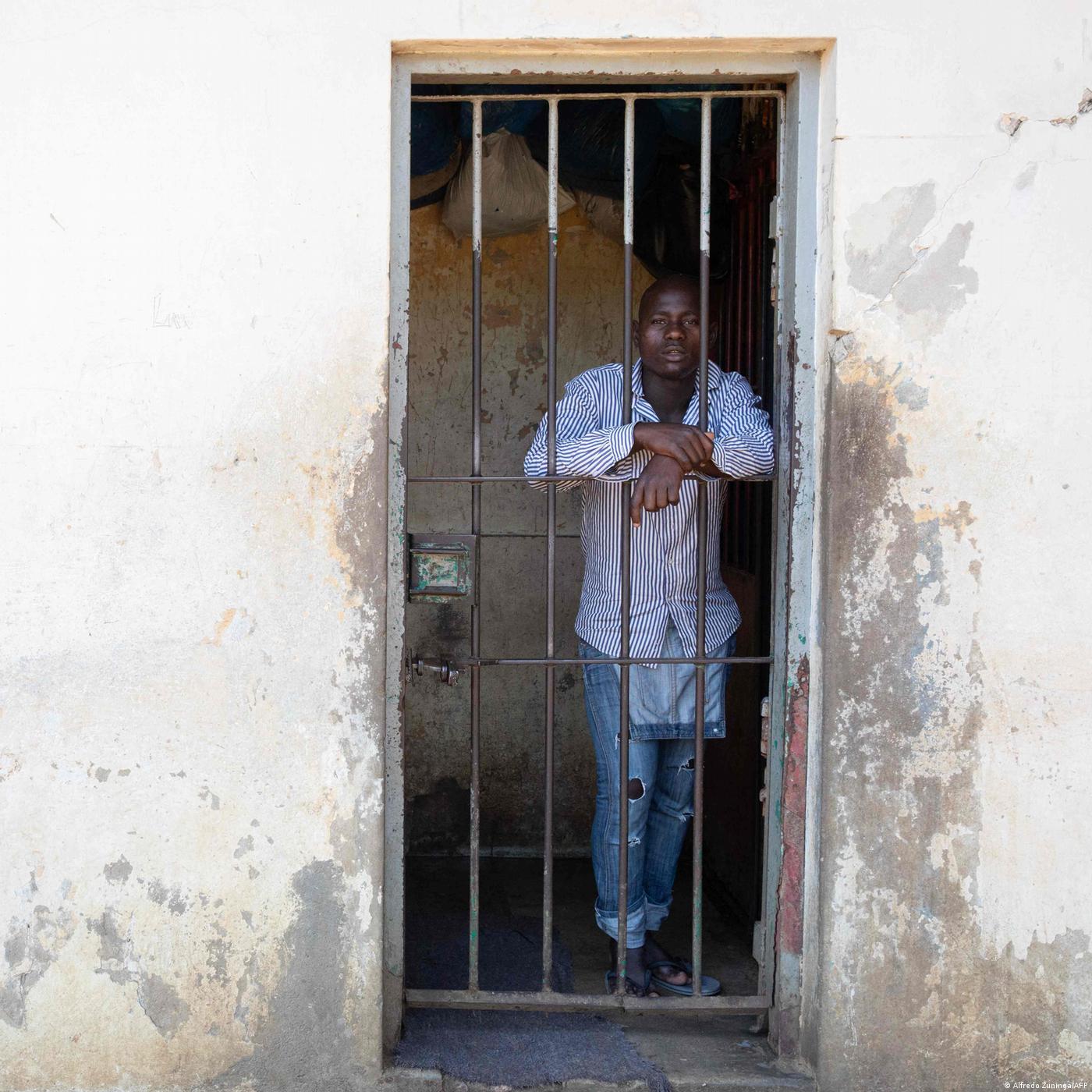
Community service over prison: Ghana's bold justice reform
Ghana's Parliament has passed the Community Service Bill 2026, introducing an alternative to custodial sentences for eligible offenders. The reform aims to ease prison overcrowding, reduce the cost of incarceration and promote rehabilitation. But will the new system deliver results? Eddy Micah Jr. discusses the implications with law lecturer Christian Malm Hesse and DW's Eric Mawuena Egbeta.
Uganda: Why democratic principles are being eroded
Uganda's democracy is in decline under increasing pressure. But what's driving this trend? DW's Adwoa Tenkoramaa Domena speaks with policy analyst Godber Tumushabe and DW correspondent Frank Yiga about what this could mean for Uganda's future
Who was behind Nigeria's fake 'presidential' agency?
A purported government agency. An alleged fake appointment. A scandal now at the center of a growing corruption investigation. President Bola Tinubu has ordered an investigation into the fake government agency PFIPC to find out who enabled it to operate. Adwoa Tenkoramaa Domena is joined by former banker and management consultant Dale Emmanuel Bagaiya and DW correspondent Ben Shemang in Abuja.
Mandela Day: Has South Africa failed his vision?
On Mandela Day, South Africa's record is under scrutiny. Xenophobic attacks, migrant repatriations, high unemployment and deep inequality raise a difficult question: what would Mandela say today?
Malawi returnees: Rebuilding life after South Africa
Thousands of Malawians have returned from South Africa after fleeing insecurity and anti-migrant sentiment. Many came back with nothing. How are they rebuilding their lives and getting back on their feet?
Can global rules curb fashion waste in Africa?
The world is producing more clothes than ever before, and much of the unwanted surplus ends up in Africa. As Ghana and Kenya grapple with the fallout, can global rules hold the fashion industry accountable?
Why Niger, Mali and Burkina Faso are leaving the ICC
Why are Niger, Mali and Burkina Faso quitting the International Criminal Court? Is it a rejection of foreign influence or a blow to justice and accountability in Africa?
Zimbabwe: Mnangagwa tightens his grip on power
Zimbabwe's parliament has approved constitutional amendments extending presidential terms from five to seven years, and replacing direct presidential elections with a parliamentary vote. Host Lucy Riley speaks with DW's Privilege Musvanhiri and Chiedza Mlingwa, deputy spokesperson for the Constitution Defenders Forum, about the implications of the changes, and what they mean for the future.
Can Ghana's new anti-corruption action plan deliver?
Ghana has unveiled a new National Ethics and Anti-Corruption Action Plan for 2026 to 2030, promising stronger accountability and reforms. Can this strategy succeed where previous ones failed? What's different this time? Join Eddy Micah Jr. as he speaks about Ghana's latest anti-corruption drive with Mary Awelana Addah of Transparency International Ghana and DW's Eric Mawuena Egbeta.
After June 30: What next for migrants in South Africa?
Anti-migrant protests rocked South Africa this week after some citizen-led movements demanded that undocumented foreigners leave the country by 30 June. As tensions persist, DW's AfricaLink host, Eddy Micah Jr., speaks with Mametlwe Sebei, President of the General Industries Workers Union of South Africa (GIWUSA) and DW correspondent Thuso Khumalo about what lies ahead.
Can President Mahama fix Ghana's perennial Accra floods?
Ghana's capital, Accra, has once again been battered by devastating floods that left at least a dozen people dead. What is behind the recurring floods and can President John Mahama find a lasting solution? DW's Eddy Micah Jr. speaks with Ing. Abudulai Mahama, Roads and Building Consultant, and DW correspondent Adwoa Domena Tenkorama in Accra.
World Cup: It's time for Africa
Africa is enjoying one of its strongest-ever FIFA World Cup campaigns, with a record nine teams reaching the knockout stage. In this AfricaLink podcast, host Eddy Micah Jr. speaks with Ghanaian sports journalist Betty Yawson and DW's Samson Omale about Africa's performances so far, the teams most likely to go further, and whether an African nation can finally lift football's biggest prize.
Public service in Uganda: Should dual nationality matter?
Uganda's latest cabinet appointments have sparked controversy after several nominees were questioned over their dual citizenship. In this AfricaLink podcast, host Lucy Riley speaks with Magezi Kirilinju, Communications Officer of the Government Citizens Interaction Center and DW's Frank Yiga in Kampala about what dual citizenship means for governance, identity, citizenship and political power.
Keir Starmer's exit: What next for UK-Africa relations?
As UK Prime Minister Keir Starmer leaves office, we examine whether his government delivered on its Africa ambitions or let another strategic opportunity slip away. Lucy Riley speaks to Alex Vines, Africa program director at the European Council on Foreign Relations and DW correspondent Dianne Hawker in Johannesburg.
Why are Zambian civil servants piling up debt?
Zambia's central bank has raised concerns over growing debt among civil servants, warning that excessive borrowing and loan defaults could pose risks to the country's financial sector. In this AfricaLink podcast, host Lucy Riley speaks with DW's Glory Mushinge in Lusaka about the growing debt burden on civil servants, what's driving it, and whether it could become a major election issue.
Kenya's Gen Z protest anniversary: The search for justice
Two years after Kenya's Gen Z-led protests forced the withdrawal of a controversial finance bill, many families are still waiting for justice. Dozens were killed and hundreds injured. In this AfricaLink podcast, Lucy Riley speaks with activist Beatrice Waithera of the Red Vests Movement and DW's Andrew Wasike in Nairobi about the fight for accountability—and whether justice is any closer.
Nigeria school kidnapping crisis: Is there a way out?
School kidnappings are leaving parents fearful and disrupting education across Nigeria. As armed groups increasingly target students and teachers, are schools still safe? Adwoa Tenkoramaa Domena speaks with educationist Uche Ohanele and DW's Ben Shemang in Abuja about the rise in school kidnappings, the impact on children and families, and what must be done to make Nigeria's schools safe again.
South Africa's migration crisis and repatriating Africans
Anti-migrant anger is rising in South Africa, and African governments are responding by bringing citizens home. In Nigeria, the first return flight has already landed, but behind the headlines are migrants forced out by fear.
How Uganda is holding firm against Ebola
A fast-moving Ebola outbreak in eastern DRC is testing Uganda's border. With cases rising and a lockdown in place, can containment hold before the virus outpaces the response?
Day of the African Child: Broken or kept promises?
June 16 is a reminder for Africa to protect, educate, and empower its children. But still millions of children still face inequality and limited prospects. So what’s going wrong—and who's accountable? In this episode of the AfricaLink Podcast, host Adwoa Tenkoramaa Domena speaks with Tebogo Mashilompane, President of FOSA, and DW’s Thuso Khumalo in Johannesburg.
Kenya school dormitory fires: Is there a solution?
Several Kenyan students are accused of setting on fire a school dormitory that killed 16 girls. How can Kenyan schools keep children safe when dorms, exits, and supervision fail? And what prompted the arson? Eddy Micah Jr. speaks to Brenda Nyawara, Vice President of the Architectural Association of Kenya and DW's Lucy Riley in Nairobi.
Africa at the FIFA World Cup 2026: What are the chances?
As the World Cup kicks off, African teams are ready to battle it out on the pitch. Is this the tournament where Africa goes all the way, and can the continent finally break the ultimate barrier and lift the trophy?
World Cup 2026: Could this be Africa's moment of glory?
African teams are heading to the World Cup with bigger dreams than ever. The stage is set, the stakes are high, and Africa’s finest are ready. Is this the tournament where Africa goes all the way, and can the continent finally break the ultimate barrier and lift the trophy? Eddy Micah Jr. speaks to Abigail Sena a sports analyst in Accra and DW's Samson Omale in Lagos.
What if we replace humanitarian aid with opportunities?
New research from East Africa shows that pairing entrepreneurship support with market access can dramatically boost incomes, savings, and resilience among refugees. How is the DREAMS program helping families rebuild their lives?
Xenophobia in South Africa: A Ghanaian returnee's story
Hundreds of Ghanaians have returned home from South Africa following anti-migrant protests. In this episode of AfricaLink, we hear how a Ghanaian footballer called Fiifi was forced to leave South Africa for his safety, and the difficult road ahead. AfricaLink host Eddy Micah Jr. and DW's Isaac Kaledzi in Accra also unpack the wider tensions around migration, jobs, and xenophobia in South Africa.
How women can reshape politics in Nigeria
Women make up half the population in Nigeria but hold a fraction of political power. How can they reshape the country's political future — and what still stands in their way?
Empfohlen
Inside Europe

Deutsch lernen - Deutsch-D1-Audio-Erlebnis

Löhr & Pennekamp

Einschlafen mit Tolkien

Die Maus zum Hören
Langsam Deutsch - Deutsch lernen

Learn German with Thomas

Deutsch mit Rieke

5 Minuten Märchen - Frederik der kleine Fuchs - kurze Hörspiele für kleine Abenteurer

Easy German Dialogues - Deutsch lernen mit Dan
Machtwechsel

Beats & Bones
